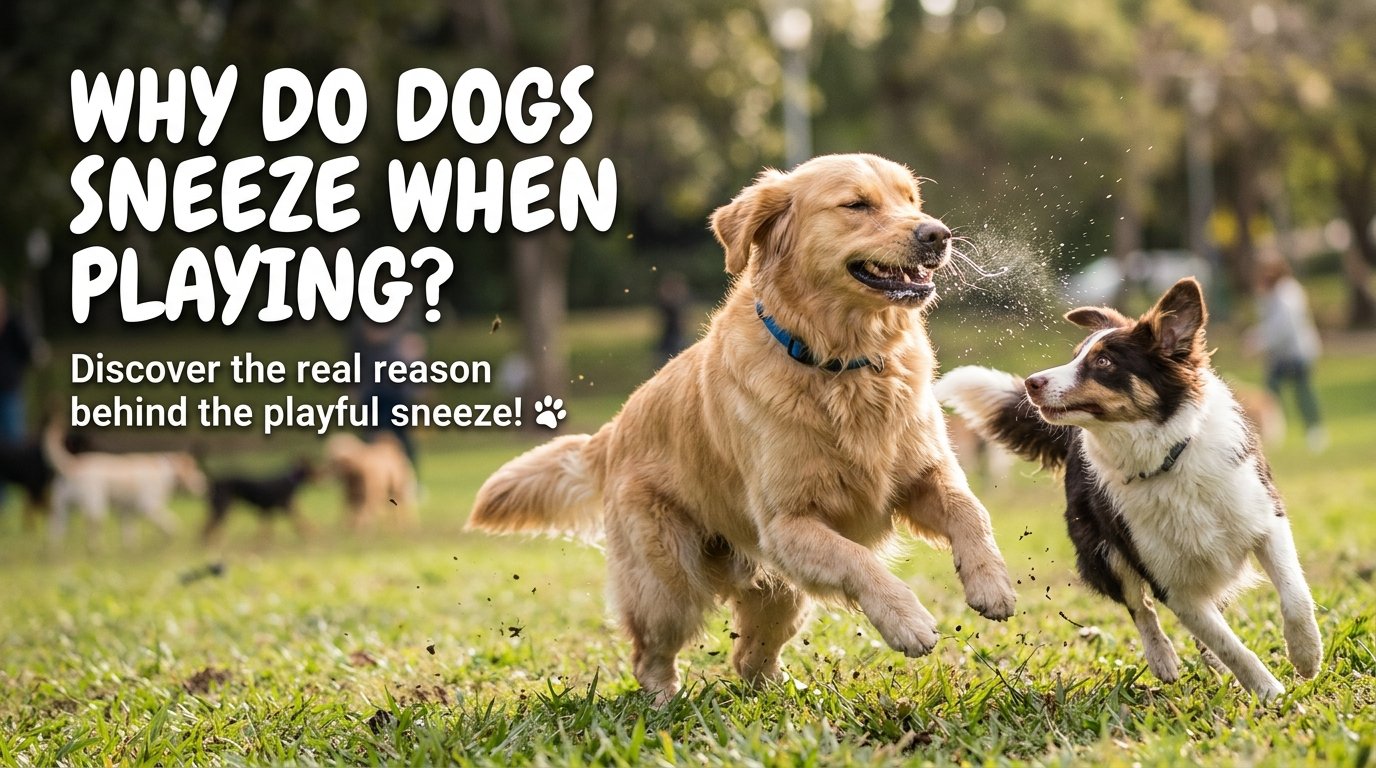
If you have ever watched your dog run around excitedly with another dog, you may have noticed sudden sneezes during the fun. Then the first question that comes to mind is Why Do Dogs Sneeze When Playing? Many pet owners become confused and wonder whether their dog is sick, allergic, or simply acting silly. The good news is that dogs sneezing while playing is usually completely normal.
Dogs use sneezing as a form of communication during play. In many cases, these sneezes are harmless and even adorable. However, there are situations where sneezing may point to allergies, irritation, respiratory infections, or other health concerns.
Understanding the difference between normal play sneezing and problematic sneezing can help you become a more informed and responsible pet owner.
In this complete guide, you will learn:
- Why do dogs sneeze during play
- The science behind dog play behavior
- Normal vs abnormal sneezing
- Common causes of sneezing in dogs
- Health conditions linked to sneezing
- When to contact a veterinarian
- Helpful prevention tips
- Personal experiences from dog owners
Whether you are a new dog parent or an experienced pet lover, this guide will help you better understand your furry friend.
What Is Play Sneezing in Dogs?
Play sneezing is a common dog behavior where dogs sneeze repeatedly during exciting or energetic play sessions. These sneezes are usually short, soft, and happen when dogs are wrestling, chasing, or roughhousing.
Unlike human sneezing caused by illness or allergies, play sneezing often serves as a social signal.
Dogs use body language constantly to communicate with other dogs and humans. A play sneeze is often a way for a dog to say:
“I’m just playing.”
This behavior helps prevent misunderstandings during rough play.
For example, when dogs play aggressively by growling, jumping, or biting lightly, another dog could accidentally think the behavior is serious. Sneezing acts as a calming signal to keep the interaction friendly.
Why Do Dogs Sneeze When Playing?
There are several reasons why dogs sneeze during play.
1. Communication and Social Signals
The most common reason is communication.
Dogs rely heavily on non-verbal cues. During energetic play, sneezing helps communicate playful intentions.
Animal behavior experts believe dogs sneeze to reassure playmates that:
- The interaction is friendly
- No aggression is intended
- The game should continue
This is especially common in dog parks or multi-dog households.
2. Excitement and Overstimulation
Some dogs sneeze simply because they become overly excited.
Running, jumping, barking, and spinning around can stimulate the nasal passages and trigger sneezing.
Excited sneezing is usually:
- Short-lived
- Occasional
- Not accompanied by illness symptoms
Highly energetic breeds often show this behavior more frequently.
3. Nose Irritation During Play
Dogs explore the world through their noses.
While playing outdoors, dogs may inhale:
- Dust
- Grass particles
- Dirt
- Pollen
- Sand
- Fur
These tiny irritants can trigger temporary sneezing.
Outdoor play areas naturally expose dogs to environmental particles that may tickle the nose.
4. Compression of Nasal Passages
During rough play, dogs sometimes wrinkle their faces, snort, or press their noses into the ground or another dog’s body.
This physical compression may briefly irritate the nasal cavity and trigger sneezing.
Flat-faced breeds such as Pugs and Bulldogs may sneeze more frequently because of their shortened airways.
5. Stress Relief During Play
Some canine behaviorists believe sneezing can help dogs release mild stress or tension.
Even playful excitement creates physical arousal in dogs. Sneezing may help regulate emotions during intense interactions.
Is Play Sneezing Normal?
Yes, play sneezing is usually completely normal.
In most cases, there is no reason to worry if:
- Sneezing only happens during play
- Your dog remains energetic
- There is no nasal discharge
- Appetite remains normal
- Breathing looks normal
- Sneezing stops after play ends
Healthy play sneezing is often:
- Light and quick
- Intermittent
- Paired with playful body language
- Not associated with illness
Many dogs do this throughout their lives.
How to Tell the Difference Between Play Sneezing and Illness
Understanding the difference between harmless sneezing and medical concerns is extremely important.
Signs of Normal Play Sneezing
Normal play sneezing usually includes:
- Sneezing only during excitement
- Relaxed body language
- Wagging tail
- Play bow posture
- Bright eyes
- Normal appetite
- No lethargy
The sneezing stops when the excitement ends.
Signs of Problematic Sneezing
Contact your veterinarian if sneezing is accompanied by:
- Thick nasal discharge
- Blood from the nose
- Persistent sneezing
- Coughing
- Wheezing
- Loss of appetite
- Fever
- Fatigue
- Difficulty breathing
- Pawing at the nose
- Facial swelling
These symptoms may indicate a health issue requiring treatment.
Common Medical Reasons Dogs Sneeze
Although play sneezing is harmless, dogs can also sneeze due to medical conditions.
Allergies
Dogs can suffer from allergies just like humans.
Common dog allergens include:
- Pollen
- Mold
- Dust mites
- Smoke
- Cleaning products
- Perfumes
- Grass
Allergic sneezing often comes with:
- Itchy skin
- Watery eyes
- Paw licking
- Ear infections
Seasonal allergies are especially common.
Upper Respiratory Infections
Viral or bacterial infections may cause sneezing.
Conditions include:
- Kennel cough
- Canine influenza
- Nasal infections
Symptoms often include:
- Coughing
- Fever
- Lethargy
- Nasal discharge
Dogs exposed to crowded environments have higher risk.
Foreign Objects in the Nose
Grass seeds, small sticks, or dirt particles can become trapped inside the nasal passage.
Signs include:
- Sudden violent sneezing
- Pawing at the face
- Nose bleeding
- One-sided nasal discharge
This requires veterinary attention.
Dental Problems
Surprisingly, dental infections may cause sneezing.
The roots of upper teeth sit close to nasal passages. Severe infections can irritate the sinuses.
Warning signs include:
- Bad breath
- Difficulty eating
- Swollen gums
- Facial swelling
Nasal Mites
Nasal mites are tiny parasites that irritate the nasal cavity.
Symptoms may include:
- Reverse sneezing
- Frequent sneezing
- Nose rubbing
- Snorting
Veterinarians can diagnose and treat this condition.
Tumors or Polyps
Older dogs may develop nasal tumors or polyps.
Symptoms often include:
- Chronic sneezing
- Nosebleeds
- Facial deformity
- Breathing difficulty
Although rare, persistent sneezing should never be ignored.
What Is Reverse Sneezing?
Many dog owners confuse reverse sneezing with normal sneezing.
Reverse sneezing happens when dogs rapidly inhale air through the nose, creating a loud snorting sound.
It often sounds alarming but is usually harmless.
Triggers include:
- Excitement
- Pulling on a leash
- Allergies
- Irritants
- Sudden temperature changes
Flat-faced breeds are more prone to reverse sneezing.
If episodes become frequent or severe, consult your veterinarian.
Dog Breeds More Likely to Sneeze During Play
Some breeds naturally sneeze more because of facial structure or energy levels.
Flat-Faced Breeds
Brachycephalic breeds have shorter noses and compressed airways.
Examples include:
- Pugs
- Bulldogs
- Boston Terriers
- Shih Tzus
- Boxers
These dogs often snort and sneeze more.
High-Energy Breeds
Energetic dogs may sneeze more during rough play.
Examples include:
- Border Collies
- Labrador Retrievers
- Golden Retrievers
- Australian Shepherds
- Jack Russell Terriers
Excitement contributes to sneezing behavior.
Personal Experience: My Dog’s Play Sneezing Story
When I first adopted a young Labrador mix, I became worried every time he sneezed during tug-of-war games.
The sneezes happened repeatedly whenever he became excited. At first, I thought he had allergies or a cold.
I closely monitored his behavior and noticed:
- He only sneezed during play
- His energy remained high
- He ate normally
- There was no discharge or coughing
During a vet visit, the veterinarian explained that play sneezing is common and often serves as playful communication.
Once I understood this behavior, I stopped worrying unnecessarily.
Over time, I even noticed patterns:
- Sneezing increased during roughhousing
- He sneezed more around other dogs
- Outdoor play triggered more sneezing due to grass and dust
Learning about canine body language helped me better understand my dog’s emotions and communication style.
How Dogs Use Body Language During Play
Dogs communicate constantly through posture, movement, facial expressions, and sounds.
Play sneezing is only one part of a larger communication system.
Common Play Signals
Play Bow
A dog lowers the front legs while keeping the rear raised.
This clearly signals:
“I want to play.”
Loose Body Movements
Relaxed and bouncy movements indicate friendly intentions.
Tail Wagging
A loose wag usually signals excitement and happiness.
Play Growling
Many dogs growl while playing. This is usually harmless if body language remains relaxed.
Sneezing
Sneezing helps reduce tension and confirms playful intent.
Understanding these signals improves dog-human relationships.
When Should You Be Concerned About Dog Sneezing?
Although play sneezing is usually harmless, there are situations where veterinary care is necessary.
Contact a Veterinarian If:
- Sneezing becomes constant
- Symptoms worsen over time
- Blood appears from the nose
- Your dog struggles to breathe
- Sneezing disrupts sleep
- Appetite decreases
- Your dog becomes lethargic
- Nasal discharge becomes yellow or green
- One nostril constantly drips
Early diagnosis can prevent serious complications.
How Veterinarians Diagnose Sneezing in Dogs
If your dog needs medical evaluation, the veterinarian may perform:
Physical Examination
The vet checks:
- Nose
- Mouth
- Teeth
- Lungs
- Eyes
Medical History Review
You may be asked:
- When sneezing started
- Frequency of sneezing
- Exposure to irritants
- Vaccination history
Diagnostic Testing
In some cases, additional testing may include:
- X-rays
- Nasal swabs
- Blood tests
- Rhinoscopy
- Allergy testing
These tests help identify underlying causes.
Tips to Reduce Unnecessary Sneezing in Dogs
Even harmless sneezing can sometimes be minimized.
Keep Play Areas Clean
Reduce exposure to:
- Dust
- Mold
- Loose dirt
- Grass debris
Avoid Strong Chemicals
Limit use of:
- Air fresheners
- Strong cleaners
- Perfumes
- Smoke
Dogs have highly sensitive noses.
Maintain Good Air Quality
Use air purifiers if allergies are suspected.
Groom Regularly
Regular grooming removes allergens from fur.
Monitor Outdoor Allergens
High pollen seasons may increase sneezing.
Provide Routine Vet Care
Regular veterinary visits help detect health issues early.
Can Dogs Fake Sneezes?
Interestingly, some researchers believe dogs may intentionally sneeze during play.
Dogs are highly intelligent social animals.
Certain studies suggest dogs may use sneezing strategically to:
- Continue play sessions
- Calm tense interactions
- Communicate emotional states
While more research is needed, experienced dog owners often observe predictable play sneezing patterns.
The Connection Between Sneezing and Dog Emotions
Dogs experience emotional arousal during play.
Sneezing may reflect:
- Excitement
- Happiness
- Social engagement
- Emotional release
This is one reason why sneezing often occurs during stimulating activities.
Dogs use many subtle behaviors to regulate social interactions.
How to Safely Encourage Healthy Dog Play
Healthy play improves both mental and physical well-being.
Supervise Dog Interactions
Watch for signs of:
- Fear
- Aggression
- Overstimulation
Allow Play Breaks
Frequent short breaks prevent exhaustion.
Choose Compatible Playmates
Dogs with similar size and energy levels usually play more safely.
Provide Enrichment Activities
Mental stimulation reduces stress and boredom.
Examples include:
- Puzzle toys
- Training games
- Scent work
- Fetch
Learn Canine Body Language
Understanding dog communication prevents misunderstandings.
If you want to understand more about your dog’s behavior and health, read:
👉 Why Is My Dog Always Hungry?
This helps you understand behavioral changes that may be linked to health issues.
External Resources for Dog Health Information
For additional trusted information, you can visit:
- American Kennel Club: https://www.akc.org
- ASPCA Pet Care: https://www.aspca.org/pet-care
- VCA Animal Hospitals: https://vcahospitals.com
These websites provide veterinarian-reviewed pet health resources.
FAQs
Why do dogs sneeze when playing?
Dogs sneeze during play mainly to communicate excitement and friendly intentions.
Is it normal for dogs to sneeze while playing?
Yes, it is completely normal in most cases.
Can allergies cause sneezing in dogs?
Yes, dust, pollen, and smoke are common triggers.
What is reverse sneezing?
It is a rapid inhaling sound often confused with normal sneezing.
When should I take my dog to the vet?
If sneezing is constant or paired with other symptoms like discharge or fatigue.
Conclusion
So, why do dogs sneeze when playing?
In most cases, it is a natural and harmless behavior that reflects excitement, communication, and social bonding.
However, dog owners should always stay alert to abnormal symptoms that may indicate health problems.
Understanding your dog’s behavior helps you build a stronger bond and ensures their well-being.
So next time your dog sneezes during play, remember — they are likely just saying:
“I’m happy and having fun!”