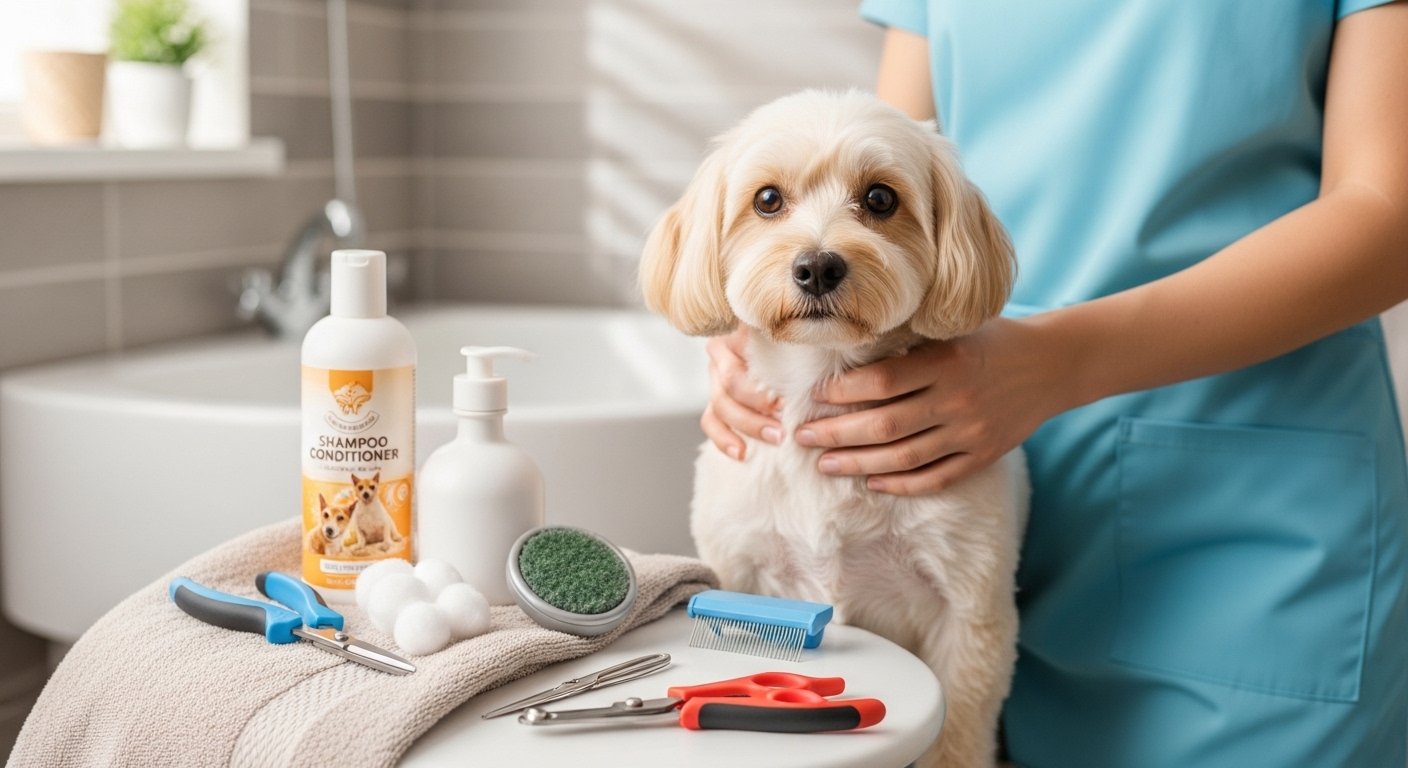
Grooming your dog at home is essential for maintaining their hygiene, comfort, and overall health. As a pet owner, I’ve found that regular grooming not only keeps dogs clean but also helps detect early signs of skin issues, ticks, or infections.
If you’ve ever noticed your dog resting more after grooming sessions, it’s completely normal—dogs often relax deeply after care routines. You can learn more about this behavior in my guide on “Why Do Dogs Sleep So Much? | Science, Age, Breeds & Tips.”
How to Groom a Dog at Home?
Grooming a dog at home involves a simple routine of brushing the coat to remove dirt and tangles, bathing with a gentle dog shampoo, drying thoroughly, trimming nails carefully, cleaning ears with a vet-approved solution, brushing teeth regularly, and trimming excess hair if needed; by using the right tools, staying calm, and keeping sessions short and positive, you can maintain your dog’s hygiene, prevent health issues, and ensure they stay clean, comfortable, and happy.
Essential Dog Grooming Tools
Before starting, make sure you have the right tools:
- Dog brush (slicker, bristle, or deshedding tool)
- pH-balanced dog shampoo
- Nail clippers or grinder
- Towels or pet dryer
- Ear cleaning solution
- Dog toothbrush & toothpaste
- Grooming scissors or clippers
💡 From experience: Using the correct brush for your dog’s coat makes grooming much easier and reduces shedding significantly.
Step-by-Step Guide to Grooming Your Dog at Home
1. Brushing Your Dog’s Coat
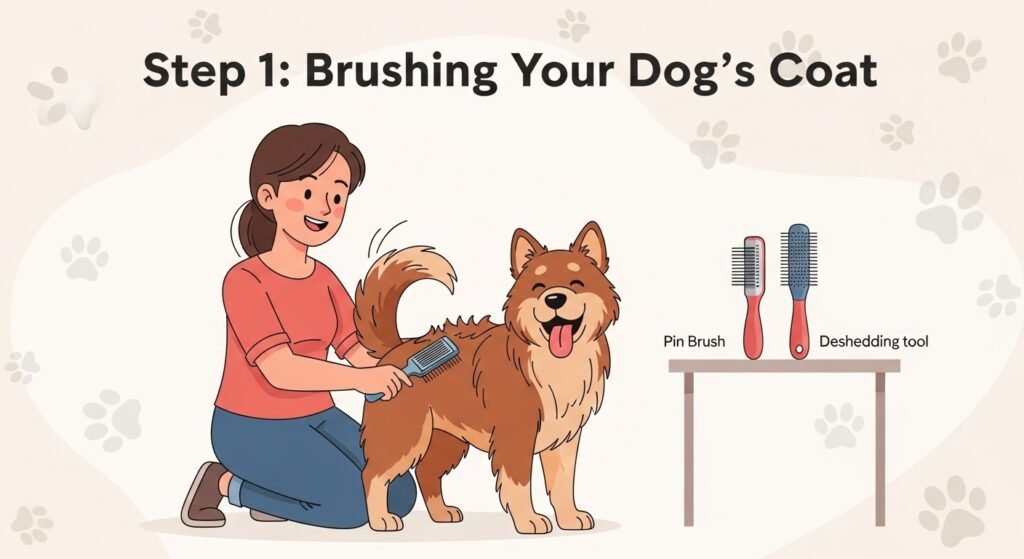
Brushing removes dirt, loose hair, and prevents matting.
- Short-haired dogs: 1–2 times weekly
- Long-haired dogs: Daily brushing recommended
👉 In my experience, brushing before bathing avoids painful tangles and saves time.
2. Bathing Your Dog
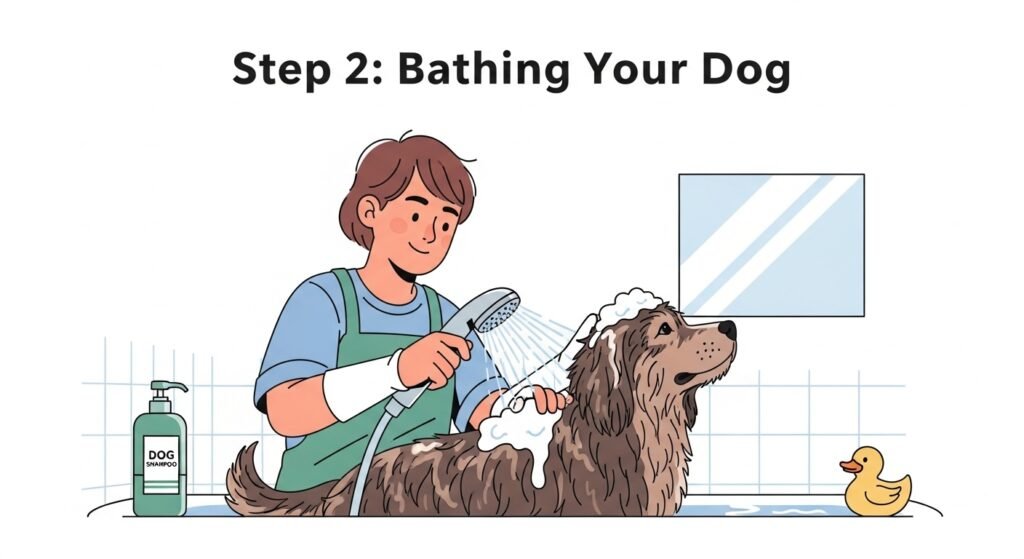
Bathing helps remove dirt and odors while keeping the coat healthy.
- Use lukewarm water
- Apply dog-specific shampoo
- Avoid eyes and ears
- Rinse thoroughly
🛁 Frequency: Every 3–4 weeks
According to the American Kennel Club, over-bathing can strip natural oils from your dog’s coat, so it’s important to follow a balanced schedule.
3. Drying Your Dog Properly
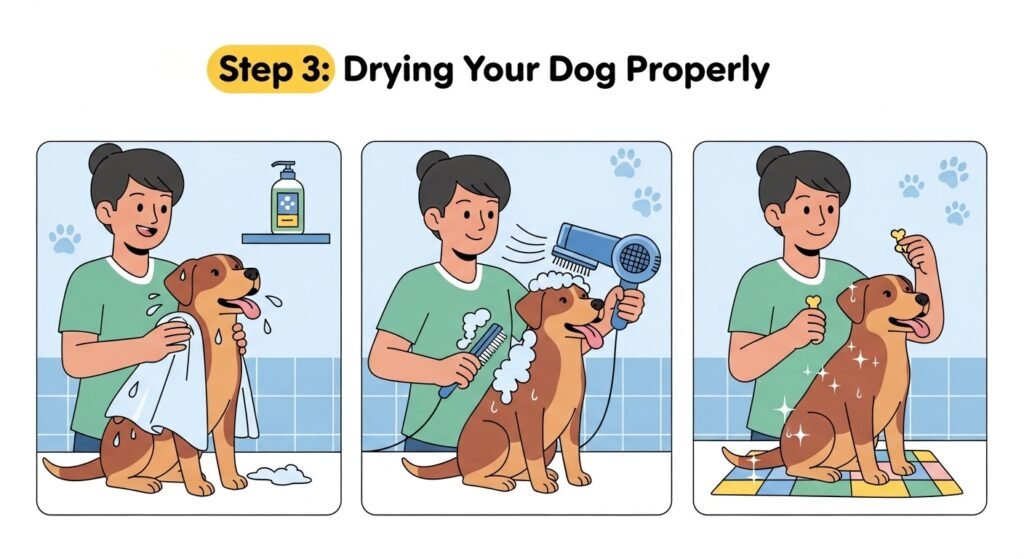
- Use a towel to absorb excess water
- Use a low-heat dryer if needed
- Keep the temperature comfortable
💡 Many dogs feel calm and sleepy after drying, which is part of their natural relaxation cycle.
4. Trimming Nails Safely
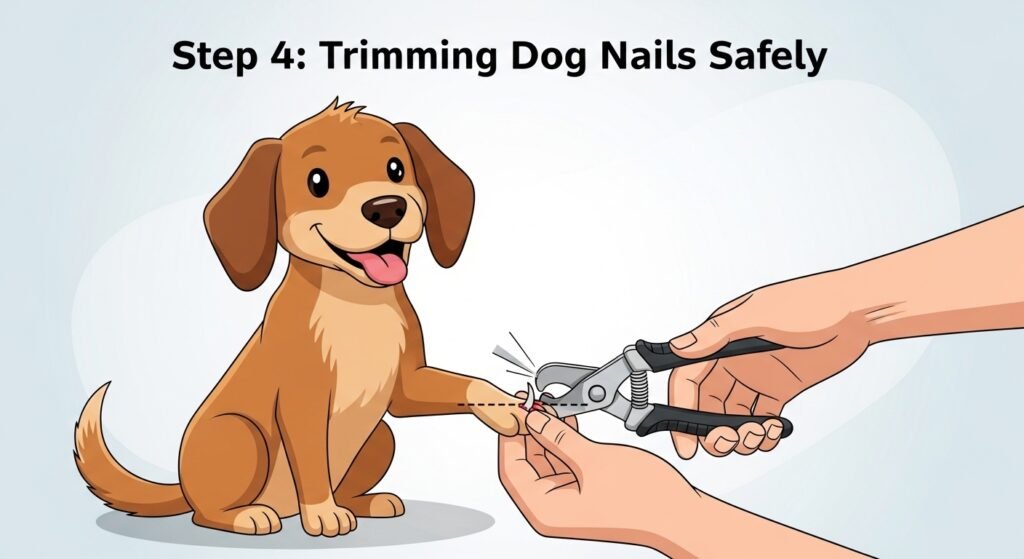
Overgrown nails can cause discomfort and posture problems.
- Trim small amounts gradually
- Avoid cutting the quick
- Use proper lighting
👉 If you’re unsure, trim less rather than more.
5. Cleaning Ears
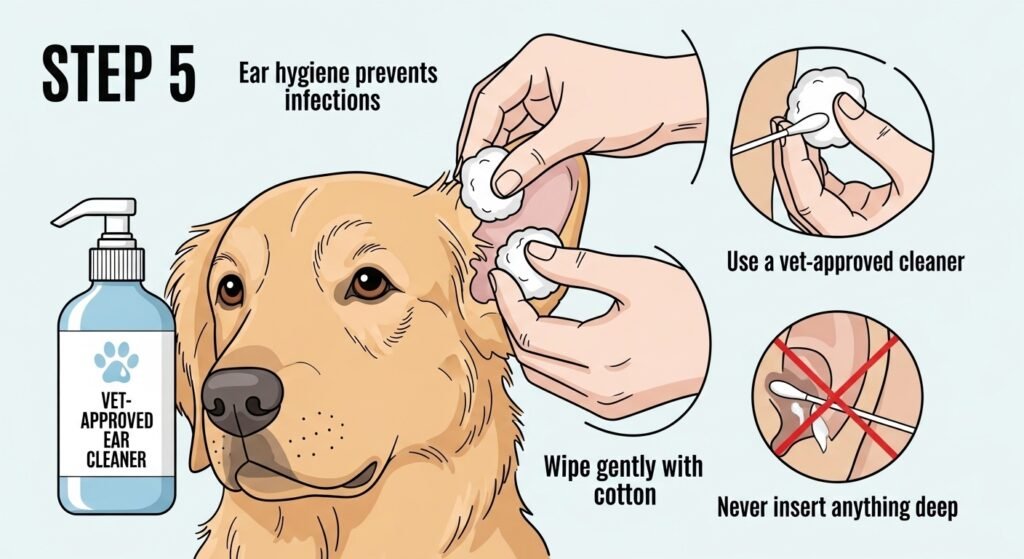
Ear hygiene prevents infections.
- Use a vet-approved cleaner
- Wipe gently with cotton
- Never insert anything deep
6. Brushing Teeth
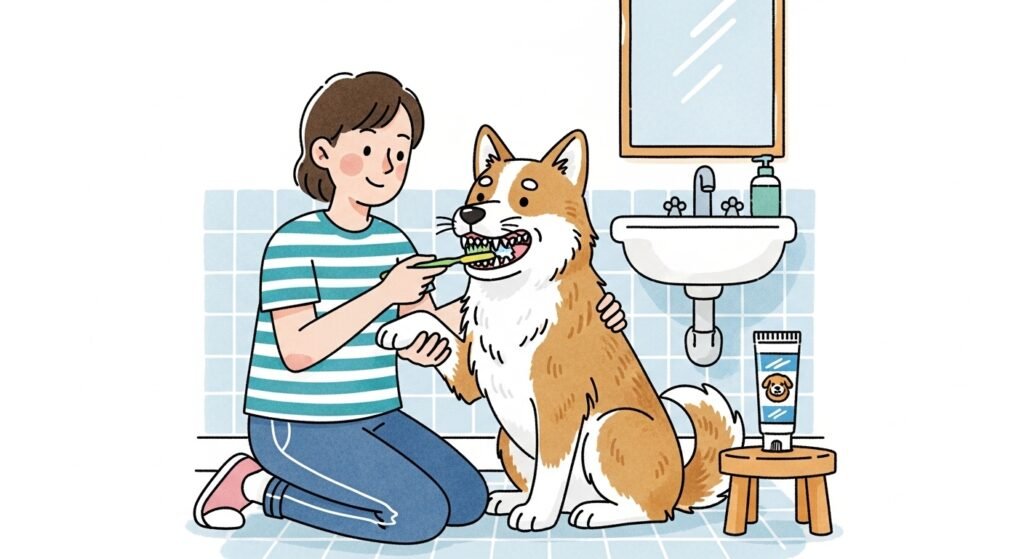
Dental care is crucial but often ignored.
- Brush 2–3 times per week
- Use dog-safe toothpaste only
7. Hair Trimming (If Needed)
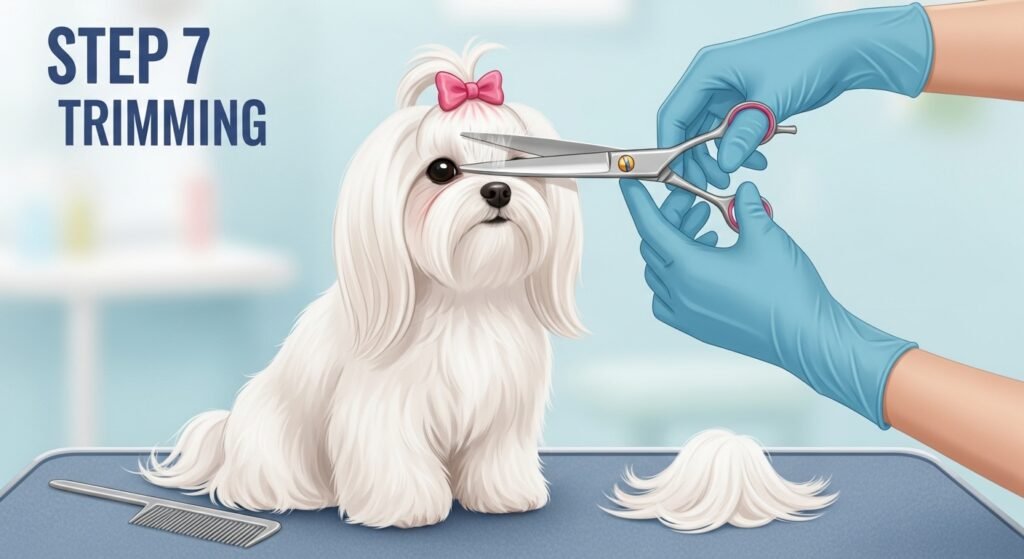
For long-haired breeds:
- Trim around paws, eyes, and hygiene areas
- Use rounded scissors for safety
Dog Grooming Tips from Experience
- Start grooming early in your dog’s life
- Keep sessions short and positive
- Reward with treats
- Stay calm—dogs sense your energy
💡 Personally, I’ve noticed dogs cooperate more when grooming becomes part of a routine rather than an occasional task.
Common Dog Grooming Mistakes to Avoid
- Using human shampoo
- Skipping brushing before bathing
- Cutting nails too short
- Ignoring ears and teeth
- Grooming too frequently
How Often Should You Groom Your Dog?
- Brushing: Daily to weekly
- Bathing: Every 3–4 weeks
- Nail trimming: Every 3–6 weeks
- Ear cleaning: Weekly
- Teeth brushing: 2–3 times weekly
Benefits of Grooming Your Dog at Home
- Saves money on professional grooming
- Strengthens bond with your dog
- Helps detect health issues early
- Keeps your dog comfortable and stress-free
When to Visit a Professional Groomer
Even with home grooming, professional help is useful if:
- Severe matting occurs
- Breed-specific cuts are needed
- Your dog is anxious or aggressive
- Skin problems appear
FAQs
Q1: Can I groom my dog at home without experience?
Yes, basic grooming like brushing, bathing, and nail trimming can be done safely with proper tools and patience.
Q2: How do I calm my dog during grooming?
Use treats, a calm tone, and keep sessions short to reduce stress.
Q3: What happens if I don’t groom my dog regularly?
Lack of grooming can lead to matting, infections, bad odor, and discomfort.
Q4: Is it okay to bathe my dog every week?
No, over-bathing can damage natural oils. Stick to every 3–4 weeks unless necessary.
Final Thoughts
Learning how to groom a dog at home is one of the best things you can do for your pet’s health and happiness. With consistency, the right tools, and a gentle approach, grooming becomes an enjoyable routine rather than a stressful task.
Not only does it keep your dog clean, but it also builds trust and helps you understand their behavior better—especially when you notice changes like increased sleep or relaxation after grooming.