When I first brought my cat home, I thought buying the right litter box was enough. I placed it in a random corner of my house and assumed everything would work out.
But within days, I noticed something was wrong. My cat started avoiding the litter box, hiding more often, and even ignoring me at times. That’s when I realized a crucial mistake:
litter box placement matters just as much as the litter box itself.
After some trial and error (and a few frustrating cleanups), I learned exactly where a litter box should—and should not—be placed. In this guide, I’ll share everything I learned so you can create a comfortable, stress-free environment for your cat.
Why Litter Box Placement Is So Important
Cats are extremely sensitive animals. Their behavior is strongly influenced by their environment, especially when it comes to bathroom habits.
A poorly placed litter box can lead to:
- Litter box avoidance
- Stress and anxiety
- Accidents around the house
- Behavioral changes
In my case, incorrect placement actually contributed to my cat becoming distant. If your cat is acting differently, it could be related.
Best Places to Put a Litter Box in Your Home
1. Quiet and Low-Traffic Areas
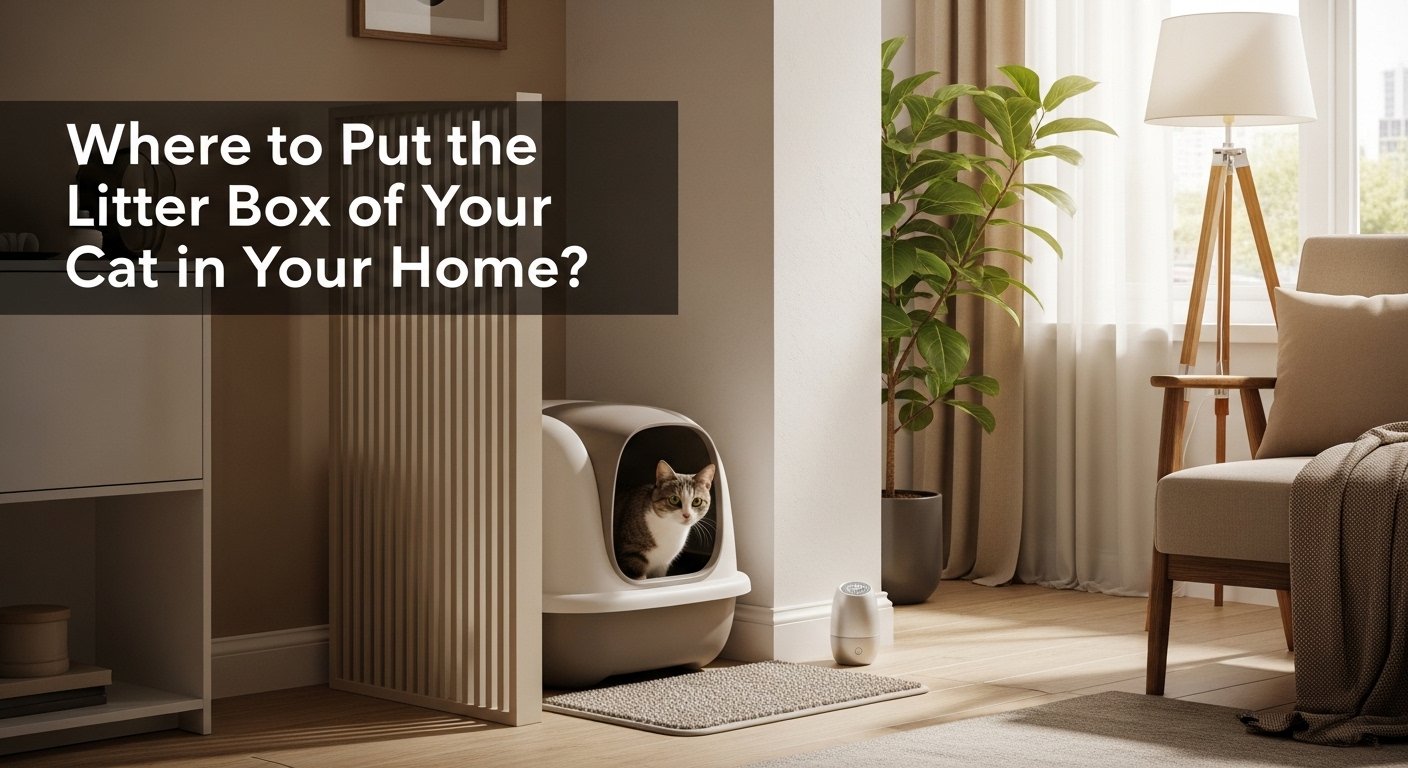
The best place for a litter box is somewhere calm and quiet.
Why it works:
Cats need privacy when they use the bathroom. Loud or busy areas make them feel unsafe.
My experience:
I initially placed the litter box near the living room where people were always moving. My cat avoided it completely. Once I moved it to a quiet corner, her behavior improved instantly.
Good options:
- Spare room
- Quiet hallway corner
- Low-traffic bathroom
2. Easily Accessible Locations
Your cat should be able to reach the litter box quickly without obstacles.
Important factors:
- No closed doors blocking access
- No stairs for older cats
- Easy entry for kittens
What I learned:
Cats don’t like struggling to find or reach their litter box. Accessibility directly affects usage.
3. Away from Food and Water Bowls
This is a common mistake many pet owners make.
Why it matters:
Cats are naturally clean animals. They don’t like eating near where they eliminate waste.
From my experience:
I once placed the litter box too close to my cat’s feeding area, and she started avoiding both.
4. Well-Ventilated Spaces
Proper airflow is important for both you and your cat.
Benefits:
- Reduces odor buildup
- Keeps the area fresh
- Encourages consistent use
Tip:
Avoid placing the litter box in completely closed or stuffy areas.
5. Consistent and Stable Location
Once you find the right spot, try not to move the litter box frequently.
Why consistency matters:
Cats rely on routine. Changing the location can confuse and stress them.
Personal lesson:
Every time I moved the litter box, my cat took time to adjust—and sometimes refused to use it temporarily.
Places You Should NEVER Put a Litter Box
Near Loud Appliances
Avoid placing the litter box near:
- Washing machines
- Dryers
- HVAC units
Why:
Sudden noises can scare your cat while they’re using the litter box.
High-Traffic Areas
Busy places like living rooms or entrances are not ideal.
Effect:
Your cat may feel exposed and avoid using the box.
Dark, Hidden Corners
While cats like privacy, they still need to feel safe.
Problem:
Completely dark or isolated areas can make your cat anxious.
Small, Cramped Spaces
Avoid tight spaces where your cat feels trapped.
Why:
Cats prefer having an escape route—it makes them feel secure.
How Litter Box Placement Affects Cat Behavior
This was the biggest realization for me.
When my cat’s litter box was poorly placed:
- She became less affectionate
- Started hiding more
- Avoided interaction
It actually made me think she was ignoring me.
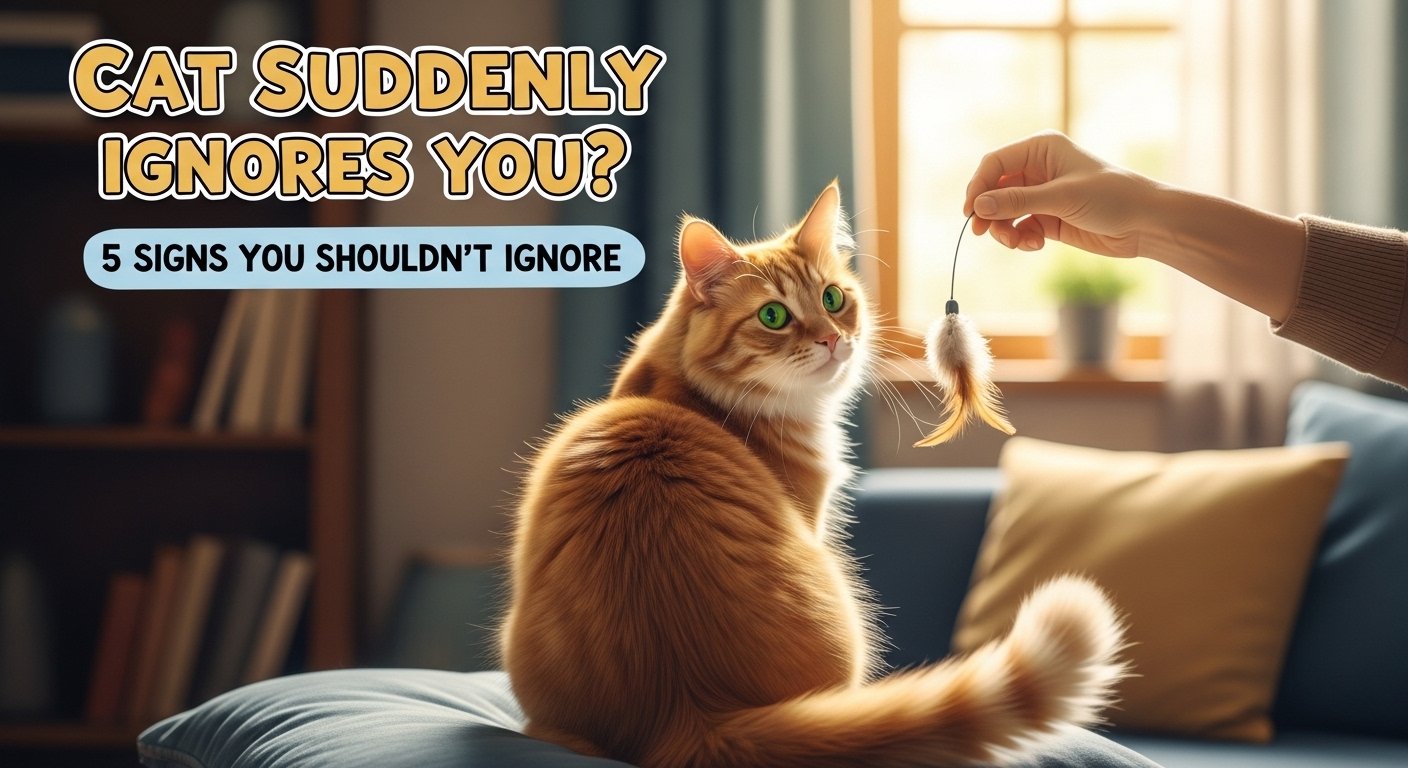
👉 If you’re experiencing something similar, read:
Cat Suddenly Ignores You?
Improper litter box placement can directly contribute to these behavioral changes.
Understanding Your Cat’s Natural Behavior
Cats are instinctively clean and territorial animals. Their litter habits are deeply connected to their sense of safety.
If your cat used to follow you everywhere and suddenly becomes distant, environmental stress could be the reason.
👉 Learn more about that behavior here:
Why Does My Cat Follow Me Everywhere?
Understanding both attachment and avoidance behaviors will give you a complete picture.
Litter Box Placement for Different Home Types
Small Apartments
- Place the litter box in a quiet corner
- Avoid placing it too close to sleeping areas
- Use a covered litter box if needed
Large Homes
- Provide multiple litter boxes
- Place one on each floor
- Ensure easy access from all rooms
Multi-Cat Homes
Rule: One litter box per cat + one extra
Example:
2 cats = 3 litter boxes
Why:
Cats may avoid sharing and become stressed otherwise.
Pro Tips from My Experience
- Clean the litter box daily
- Keep it in a predictable location
- Observe your cat’s behavior after placement
- Adjust only if necessary
- Use unscented litter for comfort
Signs Your Litter Box Placement Is Wrong
Watch for these signs:
- Your cat avoids the litter box
- Accidents outside the box
- Increased hiding behavior
- Sudden behavioral changes
According to American Veterinary Medical Association, inappropriate elimination is often linked to environmental stress or medical issues.
Final Thoughts On Where to Put the Litter Box of Your Cat in Your Home?
Finding the perfect place for your cat’s litter box may take a little trial and error—but it’s absolutely worth it.
Once I corrected my mistake and placed the litter box in a quiet, accessible, and comfortable location, everything changed. My cat became more relaxed, affectionate, and consistent with her habits.
The biggest lesson I learned is this:
your cat’s environment shapes their behavior.
If you pay attention to their needs and make small adjustments, you’ll create a home where your cat feels safe, happy, and understood.