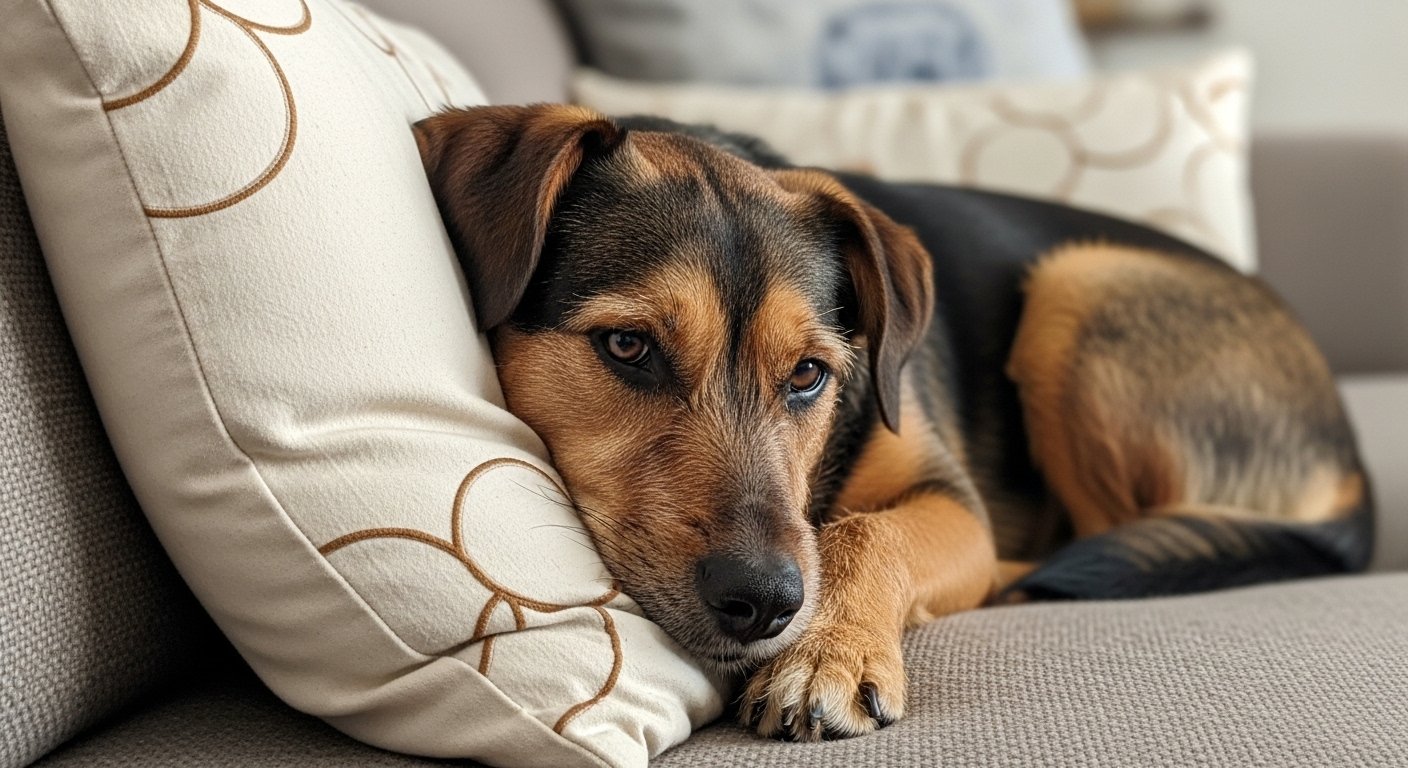
When I first started paying attention to how my dog sleeps, I thought it was just random behavior. Some nights he curled up tightly like a ball, and other nights he stretched out on his back with his paws in the air like he owned the place.
At first, it seemed cute and nothing more. But over time, I noticed patterns. His sleeping positions changed depending on the weather, his mood, and even how comfortable he felt around me. That’s when I realized something important: dog sleeping positions are a form of communication.
Understanding these positions helped me connect with my dog on a deeper level. I could tell when he felt safe, when he was anxious, and when he just needed rest. In this guide, I’ll walk you through everything I’ve learned so you can better understand your dog too.
Why Dog Sleeping Positions Matter
Dogs rely heavily on body language to express themselves. Since they can’t speak, their posture—even while sleeping—tells a story.
A dog’s sleeping position can reveal:
- Emotional state (relaxed, anxious, alert)
- Comfort level in their environment
- Temperature needs
- Personality traits
However, sleeping position is only one part of the bigger picture. Sleep duration also matters. That’s why I always recommend reading this alongside your understanding of positions:
Why Do Dogs Sleep So Much? | Science, Age, Breeds & Tips
That article explains how long dogs sleep, what’s normal, and when to be concerned.
The Donut Position (Curled Up Tight)
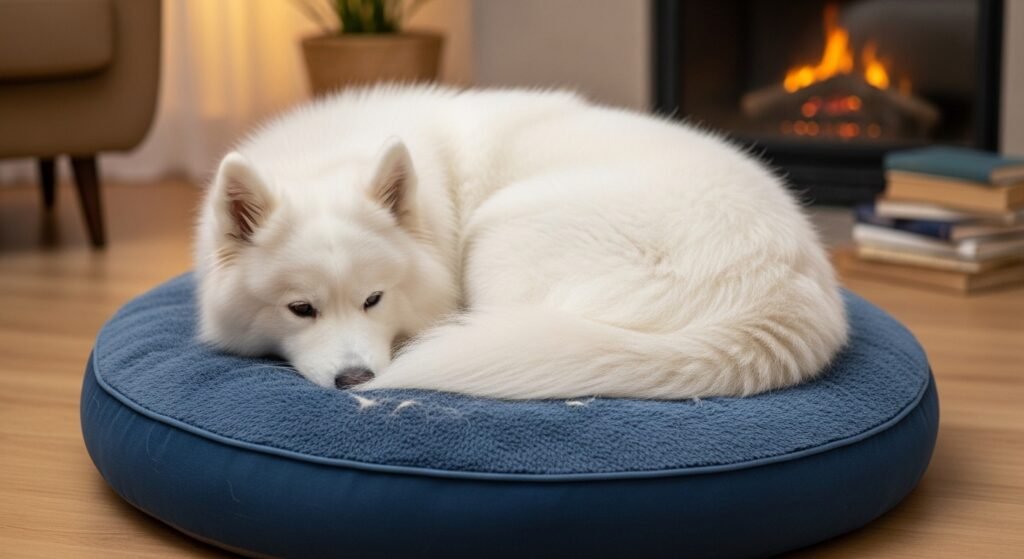
This is one of the most common sleeping positions you’ll see. The dog curls into a tight ball, often tucking their nose near their tail.
From my experience, this was the position my dog used the most during his first few weeks at home. It made sense because he was still adjusting to a new environment.
This position usually means:
- The dog is trying to conserve body heat
- They may feel slightly cautious or not fully relaxed
- It’s an instinct carried over from wild ancestors
Even though it’s completely normal, frequent use of this position can sometimes mean your dog isn’t fully comfortable yet. Providing a warm, cozy bed can help them relax more.
Side Sleeping (Relaxed and Secure)
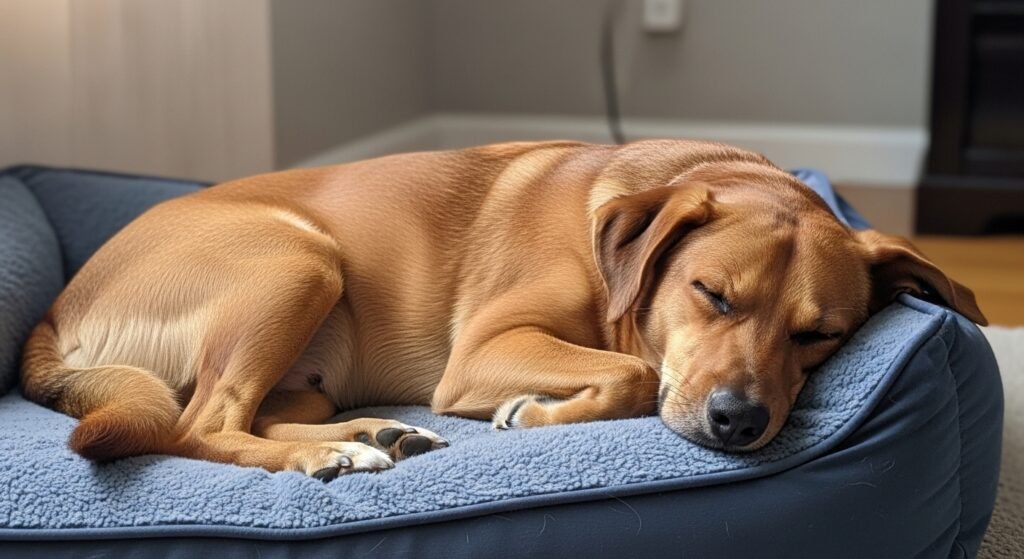
When a dog sleeps on their side with legs stretched out, it’s a strong sign of comfort and trust.
I remember the first time my dog slept like this regularly. It felt like a milestone. It showed me he had fully adjusted to his new home and felt safe around me.
This position typically indicates:
- Deep, restorative sleep
- Emotional security
- A happy and relaxed dog
Dogs in this position are usually in their deepest sleep stage, which is essential for their health and energy levels.
The Superman Position (Ready for Action)
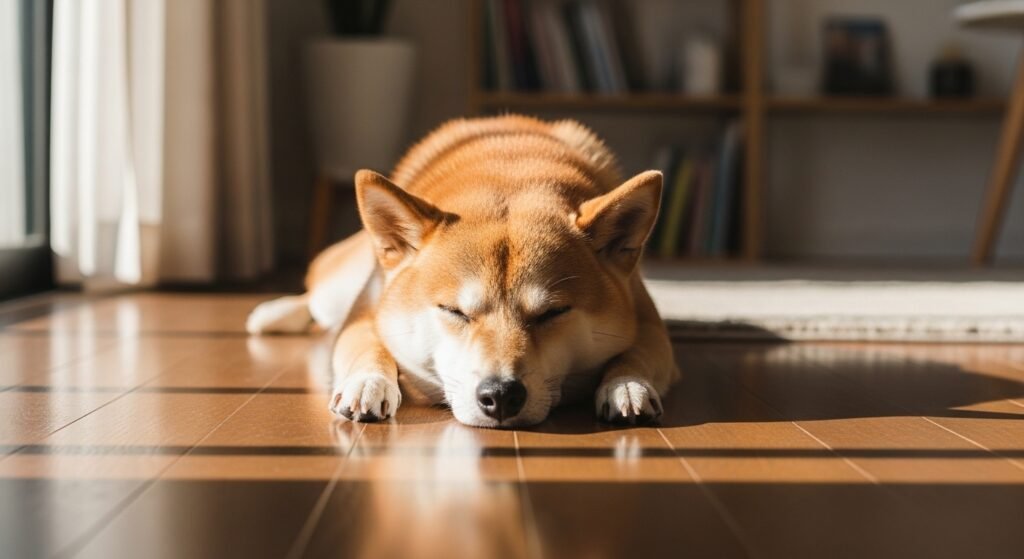
This is when a dog lies on their belly with their legs stretched out in front and behind them. It looks like they’re flying like Superman.
My puppy used to sleep like this after playing for hours. It became clear that this position allowed him to rest while still being ready to jump up quickly.
This position often means:
- The dog is energetic and playful
- They are in a light sleep
- They can wake up quickly
It’s very common in puppies and younger dogs who have bursts of energy throughout the day.
Belly-Up Position (Ultimate Trust)
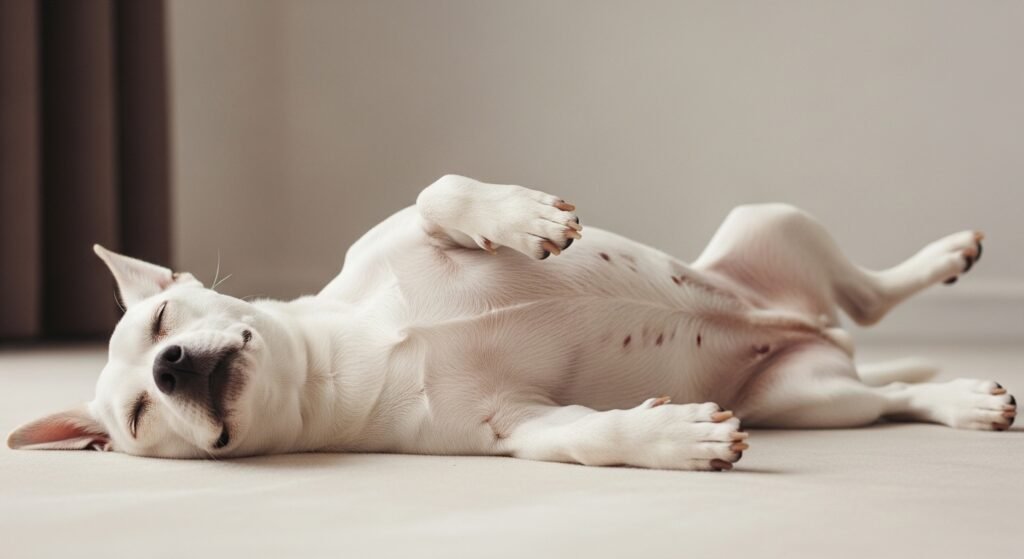
When a dog sleeps on their back with their belly exposed, it’s one of the clearest signs of trust.
I still remember the first time my dog slept like this. It felt like a big moment because it showed he felt completely safe in my home.
This position indicates:
- Total relaxation and trust
- Comfort in their environment
- A way to cool down (since the belly has less fur)
Dogs will only expose their belly when they feel secure, so this is a great sign for any dog owner.
Sleeping Close to You (Bonding and Affection)
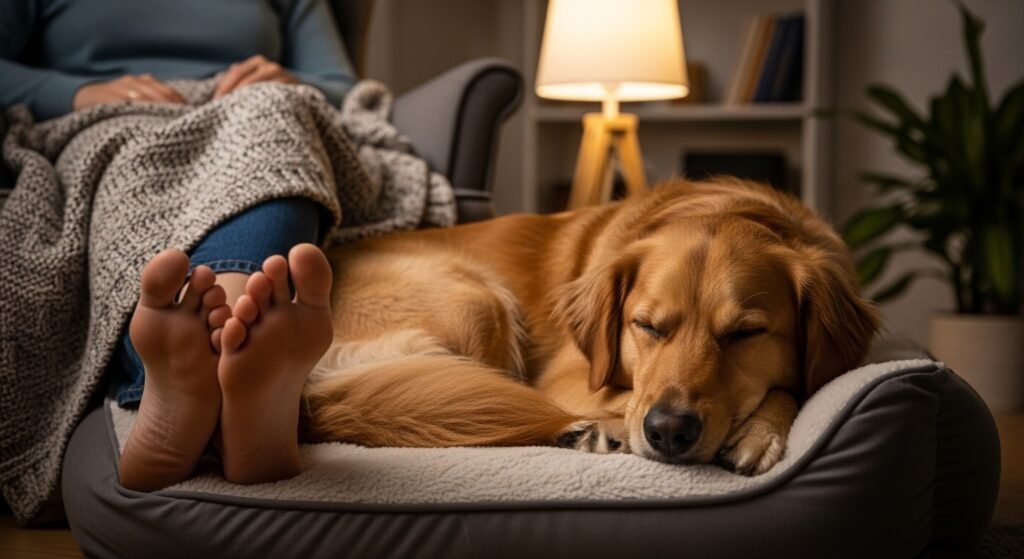
Some dogs prefer to sleep right next to their owners or even touching them.
From my experience, this behavior grew over time as our bond became stronger. At first, my dog preferred his own space, but eventually, he started sleeping closer to me.
This position shows:
- Strong emotional connection
- Pack behavior (you are part of their family)
- Desire for warmth and comfort
It’s one of the clearest signs that your dog trusts and loves you.
Burrowing Under Blankets
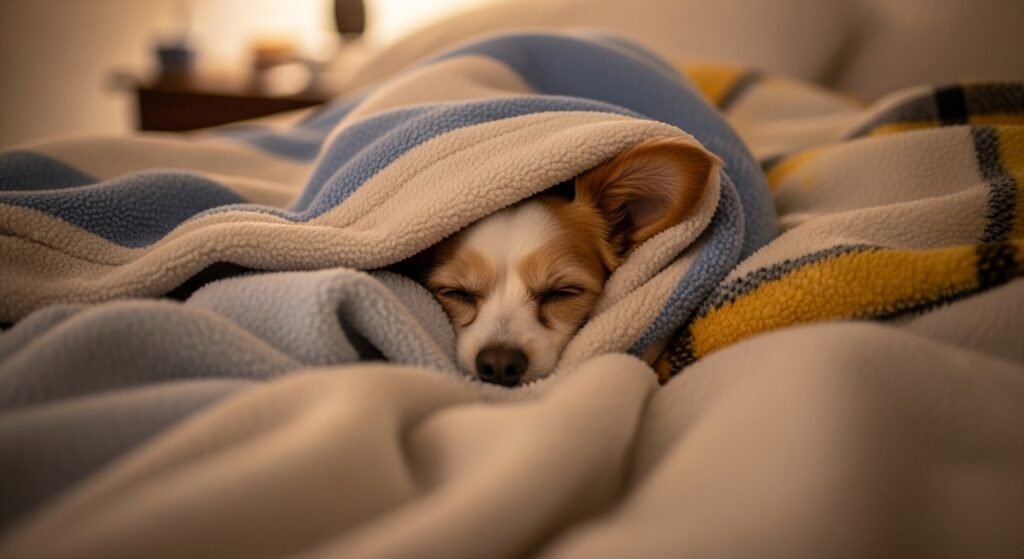
If your dog likes to sleep under blankets or hide in soft spaces, they are seeking extra comfort.
My dog started doing this during colder weather, and it became a habit whenever he wanted to feel extra cozy.
This behavior can mean:
- The dog is trying to stay warm
- They want a sense of security
- Sometimes mild anxiety
Providing a soft and warm sleeping environment can help reduce this behavior if it’s driven by discomfort.
The Lion Pose (Light Sleep and Alertness)
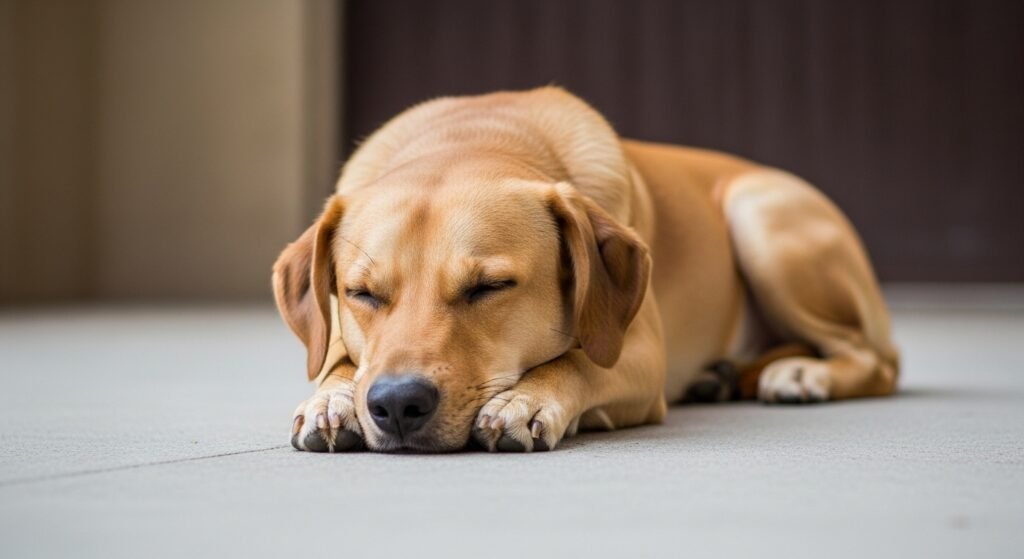
In this position, the dog rests with their head on their paws and body tucked slightly.
I noticed my dog uses this position when he’s resting but not fully asleep. It’s like he’s taking a break while staying aware of his surroundings.
This position usually means:
- The dog is in light sleep
- They are still alert
- Ready to respond quickly
It’s common during daytime naps or in slightly unfamiliar environments.
When You Should Be Concerned
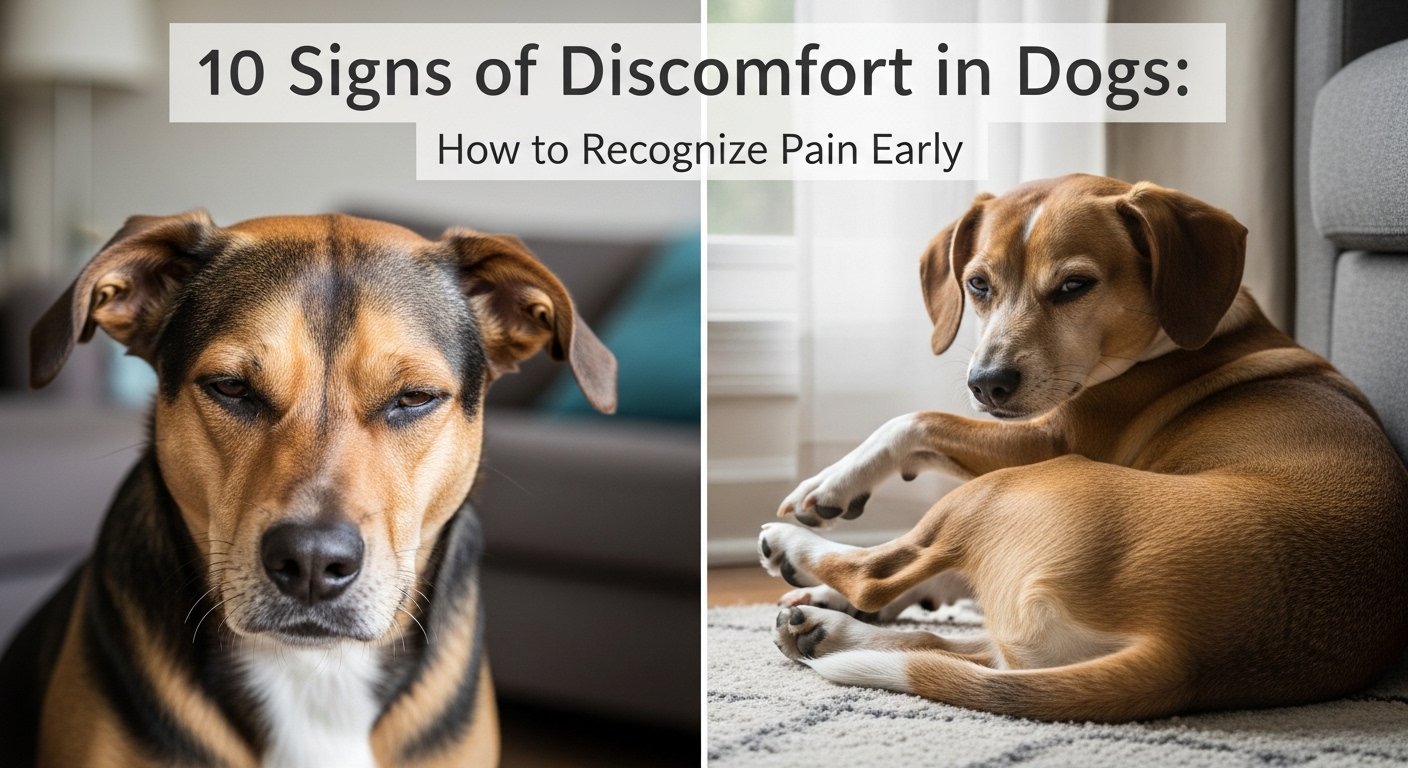
While most sleeping positions are normal, sudden changes in behavior can signal a problem.
Watch for:
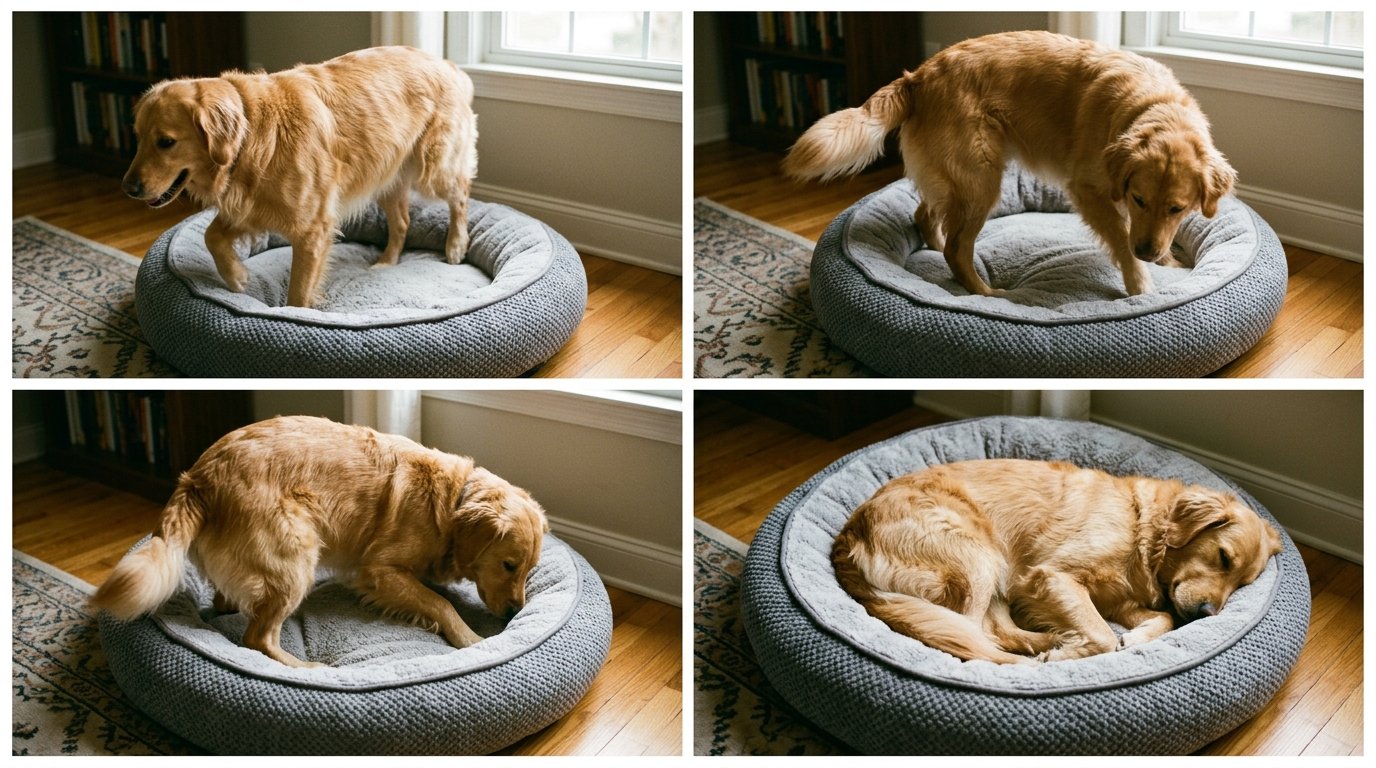
- Difficulty getting comfortable
- Frequent position changes
- Sleeping much more or less than usual
- Signs of pain when lying down
According to American Kennel Club, unusual sleep patterns can sometimes be linked to health issues, so it’s important to monitor any drastic changes.
What Influences Your Dog’s Sleeping Position
Through my experience, I’ve noticed that several factors affect how dogs sleep.
Temperature plays a big role. When it’s hot, dogs tend to sleep on their back to cool down. When it’s cold, they curl up to conserve heat.
Emotional comfort is another factor. A dog that feels safe will stretch out more, while a nervous dog may stay curled or hidden.
Activity level also matters. Active dogs often sleep in positions that allow them to wake up quickly, while tired dogs fall into deeper, more relaxed positions.
From my experience, these factors matter most:
Temperature
- Hot → belly-up
- Cold → curled
Emotional Comfort
- Safe → side sleeping
- Anxious → curled or hidden
Activity Level
- Active dogs → superman
- Tired dogs → deep sleep
How to Help Your Dog Sleep Better
Improving your dog’s sleep doesn’t require complicated steps. Small changes can make a big difference.
Make sure your dog has a comfortable and supportive bed. Maintain a consistent routine so their body knows when it’s time to rest. Provide enough exercise during the day so they can sleep deeply at night.
Grooming also plays an important role in sleep quality. A clean, well-groomed dog is more comfortable and relaxed. You can learn how to do this properly here:
How to Groom a Dog at Home?
Final Thoughts
Understanding your dog’s sleeping positions is like learning a new language. It may seem small, but it reveals so much about their emotions, comfort, and overall well-being.
Once I started paying attention, I realized my dog was constantly communicating with me—just not in words.
The more you observe, the stronger your bond will become. And that’s one of the most rewarding parts of being a dog owner.