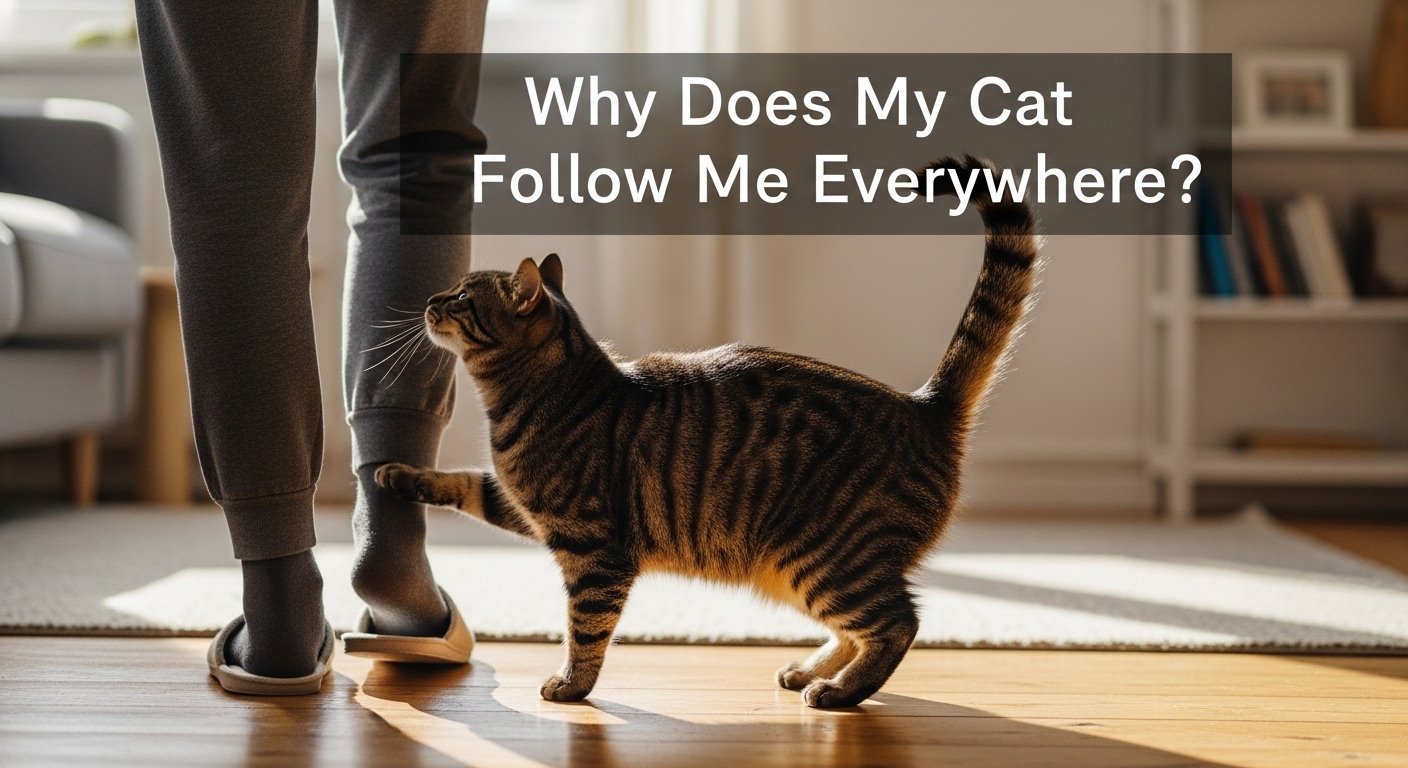
Have you ever noticed your cat quietly trailing behind you from room to room, watching your every move? This behavior can feel adorable, confusing, or even a little overwhelming. While cats are often described as independent animals, research and behavioral studies show they can develop strong emotional attachments to their owners.
If your cat follows you everywhere—even to the bathroom—this behavior usually has a meaningful explanation rooted in instinct, trust, and daily habits.
Why Does My Cat Follow Me Everywhere?
Cats follow their owners because of a combination of affection, curiosity, routine, and dependency on humans for food, safety, and stimulation. In most cases, it is a completely normal and positive behavior.
Understanding Cat Behavior: The Psychology Behind It
Cats may seem mysterious, but their behavior is driven by instincts developed over thousands of years. Domestic cats still retain traits from their wild ancestors, including:
- Staying close to trusted companions
- Monitoring their environment constantly
- Seeking safety in familiar territory
When your cat follows you, it is often combining instinct with learned behavior from living in a human household.
10 Detailed Reasons Why Your Cat Follows You Everywhere
1. Strong Emotional Bond and Attachment
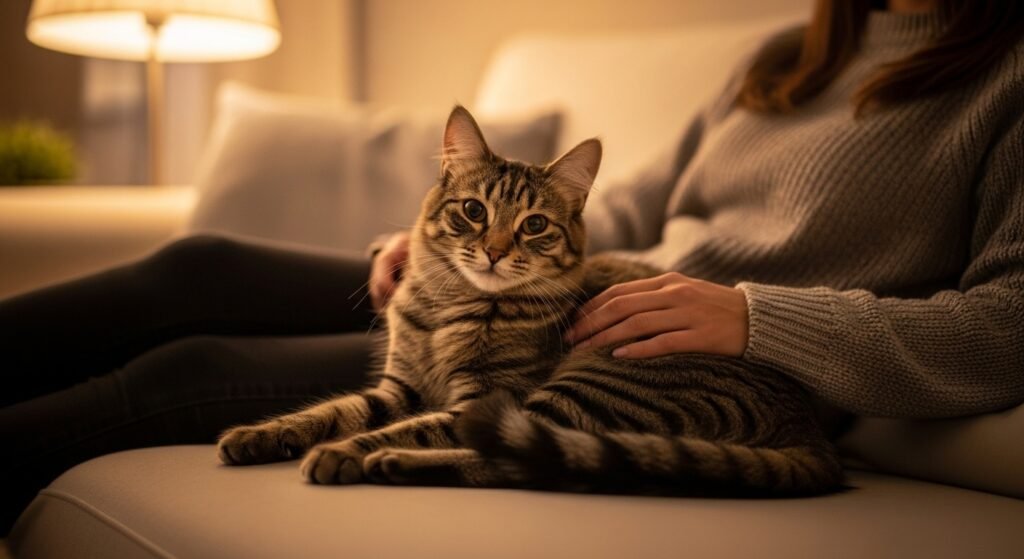
Cats form attachments similar to those seen in human relationships. When your cat follows you, it may indicate:
- Trust in you as a caregiver
- Emotional comfort in your presence
- A secure attachment style
Cats that are closely bonded often:
- Sleep near you
- Greet you at the door
- Stay close throughout the day
This is one of the most positive reasons behind the behavior.
2. You Are Their Primary Resource Provider
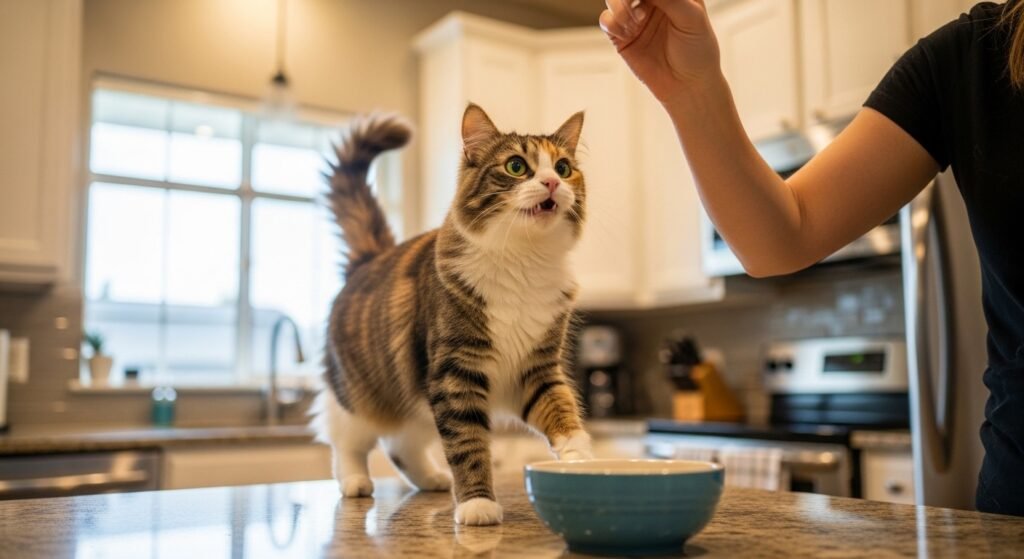
From your cat’s perspective, you control everything important:
- Food
- Water
- Treats
- Playtime
Over time, your cat learns that staying close to you increases its chances of getting these resources. This is a learned survival behavior, not manipulation.
3. Curiosity and Environmental Awareness
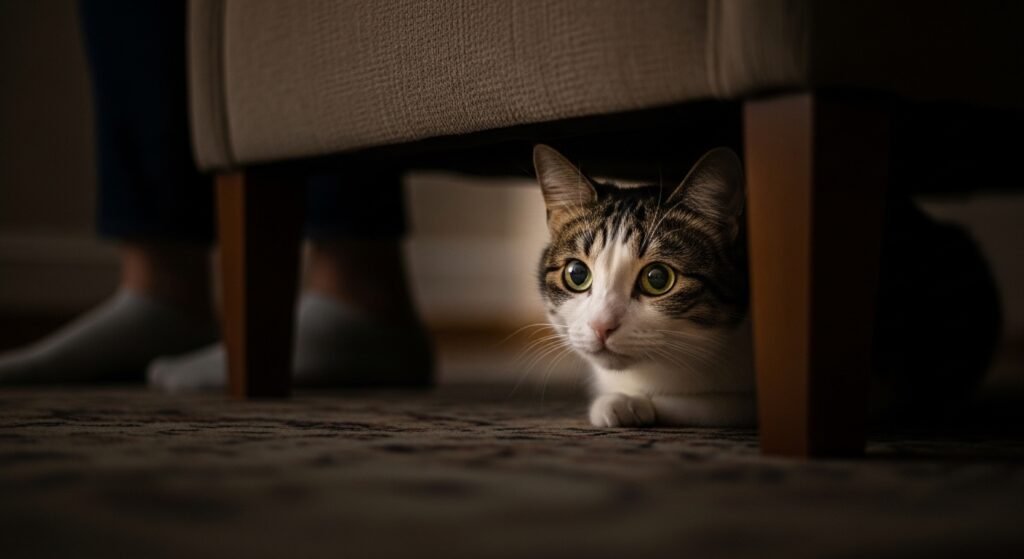
Cats are naturally curious animals. When you move, your cat may follow simply to:
- Observe changes in their environment
- Investigate new spaces
- Stay informed about activity in the home
Even simple actions like opening a door can trigger their curiosity.
4. Seeking Attention and Interaction
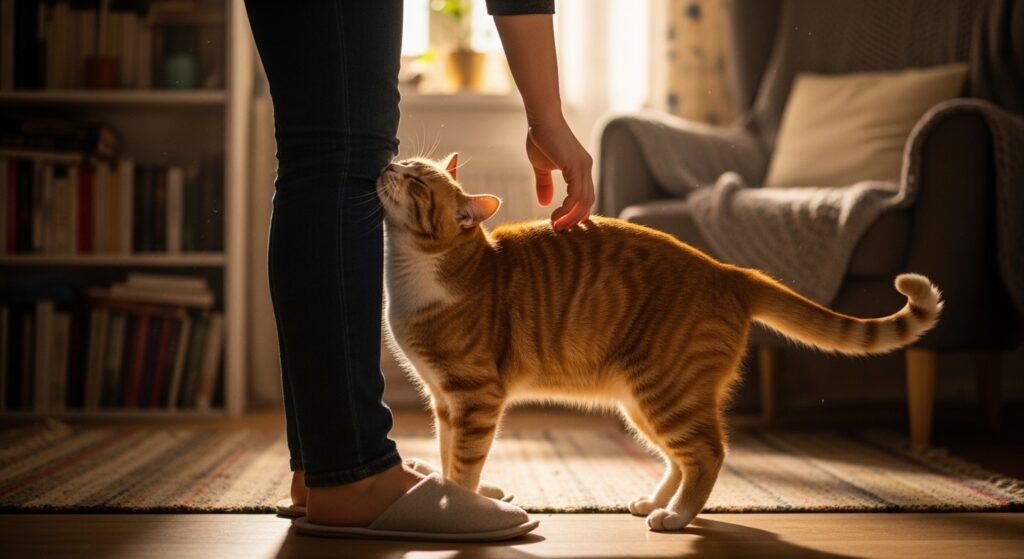
Indoor cats especially rely on their owners for stimulation. Following you can be a sign your cat wants:
- Playtime
- Physical affection
- Social interaction
If your cat also meows or rubs against you, it is actively trying to engage with you.
5. Feeling Safe and Protected
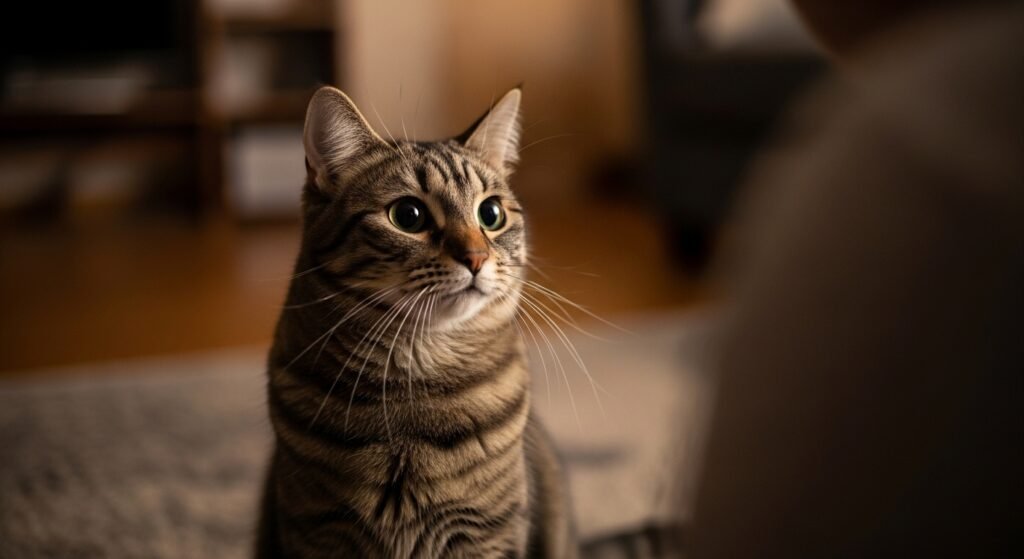
In the wild, animals stay close to those they trust for safety. Your cat may see you as:
- A protector
- A source of comfort
- A stable presence
Following you gives your cat a sense of security, especially in unfamiliar or stressful situations.
6. Habit and Routine-Based Behavior
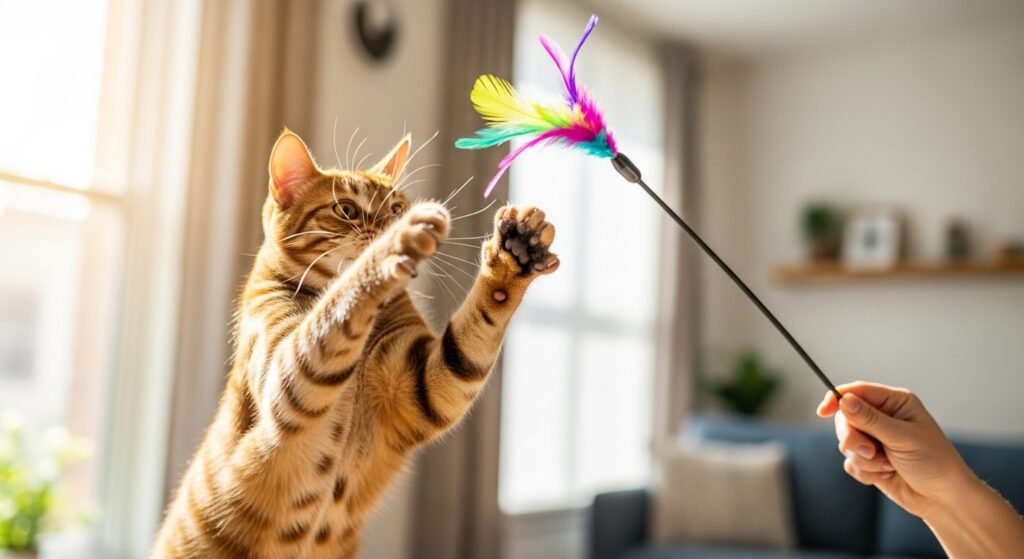
Cats thrive on routine. If you regularly:
- Feed your cat at certain times
- Play or interact in specific areas
Your cat will start following you based on expectation. This is not random—it is a learned pattern.
7. Boredom and Lack of Stimulation
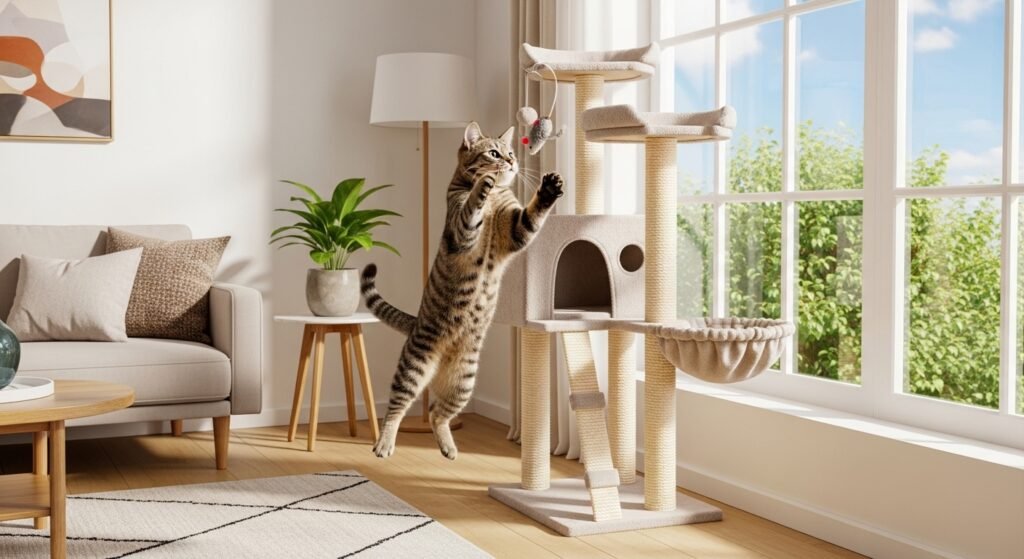
A bored cat often turns to its owner for entertainment. Signs your cat is bored include:
- Constant following
- Knocking objects over
- Excessive sleeping or restlessness
In this case, following you is a way to create activity.
8. Breed-Specific Personality Traits
Some cat breeds are naturally more social and attached. For example:
- Siamese cats are highly vocal and people-oriented
- Ragdolls are known for following owners
- Maine Coons are friendly and interactive
If your cat belongs to a social breed, this behavior is expected.
9. Stress, Anxiety, or Environmental Changes

Cats may become clingy when they feel uncertain. Triggers include:
- Moving to a new home
- New pets or people
- Loud noises or disruptions
Following you becomes a coping mechanism for emotional reassurance.
10. Possible Health Issues
If your cat suddenly starts following you more than usual, it could signal discomfort or illness. Watch for:
- Changes in appetite
- Lethargy
- Hiding or unusual behavior
Cats instinctively seek safety when they feel vulnerable, and you are their safest option.
Why Does My Cat Follow Me to the Bathroom?
This common and often funny behavior has logical explanations:
- You are stationary, making interaction easier
- Cats are curious about closed spaces
- They instinctively stay close during vulnerable moments
It may seem strange, but it is completely normal.
Is It Normal for Cats to Follow You Everywhere?
Yes, this behavior is generally normal and healthy. It indicates that your cat:
- Trusts you
- Feels comfortable around you
- Sees you as part of its social group
However, balance is important. Extreme clinginess may require attention.
When Should You Be Concerned?
You should monitor your cat if the behavior is:
- Sudden and intense
- Accompanied by vocal distress
- Linked with appetite or energy changes
- Causing destructive or anxious behavior
These signs may indicate separation anxiety or medical issues.
How to Manage a Clingy Cat
Create a Consistent Routine
Feed and interact with your cat at fixed times to reduce dependency.
Increase Mental and Physical Stimulation
Provide:
- Interactive toys
- Puzzle feeders
- Climbing structures
Encourage Independence
Allow your cat to spend time alone without constant interaction.
Avoid Reinforcing Clinginess
Do not reward attention-seeking behavior every time your cat follows you.
Provide Safe Spaces
Create comfortable areas where your cat can relax independently.
Expert Insight
Modern animal behavior research shows that cats can develop attachment styles similar to humans and dogs, including secure and anxious attachments. This explains why some cats are more independent, while others become highly attached and follow their owners everywhere.
FAQs
Why does my cat follow me everywhere but ignore others?
Your cat has formed a primary bond with you based on trust, care, and daily interaction.
Why does my cat follow me but not like being picked up?
Some cats prefer emotional closeness without physical handling. This is normal feline behavior.
Why does my cat suddenly become clingy?
Sudden clinginess can result from stress, environmental changes, or health concerns.
Can cats have separation anxiety?
Yes, some cats experience anxiety when left alone, especially if they are strongly bonded to one person.
Final Thoughts
When your cat follows you everywhere, it is not random behavior—it is a meaningful combination of love, instinct, curiosity, and trust. In most cases, it is a positive sign that your cat sees you as an important part of its life.
Understanding the reason behind this behavior helps you build a stronger bond while ensuring your cat remains happy, healthy, and emotionally balanced.