Dogs can’t tell us when something is wrong—but they do communicate through behavior, posture, and subtle changes. As a dog owner, recognizing these early signs of discomfort is essential for protecting your pet’s health and well-being.
Many signs are easy to overlook, especially in the early stages. However, identifying them early can prevent minor issues from becoming serious health problems. In this guide, you’ll learn the 10 signs of discomfort in dogs, what they mean, and when you should take action.
Why Recognizing Discomfort in Dogs Matters
Dogs instinctively hide pain—a survival trait inherited from their wild ancestors. This means that by the time symptoms become obvious, the issue may already be advanced.
Understanding early warning signs helps you:
- Detect health problems sooner
- Prevent worsening conditions
- Improve your dog’s comfort and quality of life
- Strengthen your bond through attentive care
10 Signs of Discomfort in Dogs
1. Changes in Behavior
One of the earliest signs of discomfort is a shift in behavior.
What to look for:
- Sudden withdrawal
- Increased irritability
- Loss of interest in activities
Dogs that are usually playful may become quiet or distant when they’re uncomfortable.
2. Excessive Panting
Panting is normal after exercise, but excessive or unexplained panting can signal discomfort.
Possible causes:
- Pain
- Stress or anxiety
- Internal health issues
If your dog is panting at rest, it’s worth monitoring closely.
3. Loss of Appetite
A dog refusing food is often a clear sign something isn’t right.
Why it matters:
- Indicates digestive issues
- Can signal pain or illness
- May lead to weight loss if prolonged
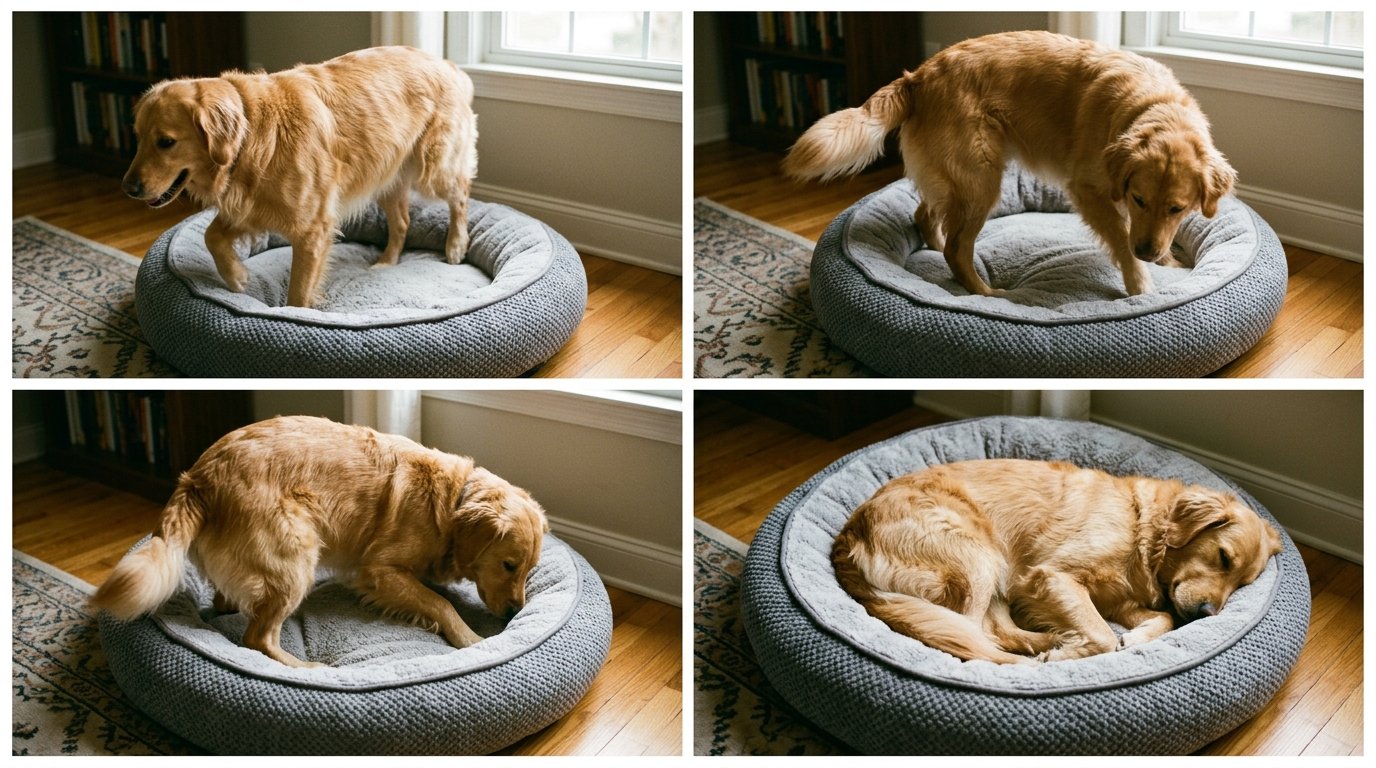
4. Unusual Sleeping Patterns
Changes in sleep habits can reveal discomfort.
Signs include:
- Sleeping more than usual
- Difficulty settling down
- Frequent position changes
👉 To better understand normal sleep behavior, it’s helpful to read:
Why Do Dogs Sleep So Much? | Science, Age, Breeds & Tips
5. Limping or Difficulty Moving
Physical discomfort often shows through movement.
Watch for:
- Limping
- Stiffness
- Hesitation to jump or climb
These signs may indicate joint pain, injury, or inflammation.
6. Whining or Vocalization
Dogs may express discomfort through sounds.
Common signals:
- Whining
- Whimpering
- Growling when touched
Vocalization often increases when pain worsens.
7. Excessive Licking or Chewing
Dogs often focus on the area that hurts.
Look for:
- Constant licking of paws or joints
- Chewing at a specific spot
This can indicate:
- Skin irritation
- Allergies
- Localized pain
8. Changes in Posture
Body posture is a key indicator of discomfort.
Examples:
- Hunched back
- Tucked tail
- Stiff body
These positions often reflect pain or unease.
9. Avoiding Interaction
A dog in discomfort may avoid contact—even with their favorite people.
Signs include:
- Moving away when approached
- Not wanting to be touched
- Reduced affection
This behavior is often misunderstood but is a clear signal something is wrong.
10. Digestive Issues
Digestive problems are a common sign of discomfort.
Watch for:
- Vomiting
- Diarrhea
- Bloating
These symptoms may indicate dietary issues or underlying health conditions.
When to Seek Veterinary Help
While mild discomfort may resolve on its own, some signs require immediate attention.
Seek professional help if:
- Symptoms persist for more than 24–48 hours
- Your dog shows severe pain
- There is loss of appetite or vomiting
- Movement becomes difficult
According to American Kennel Club, early intervention is key to preventing serious health complications.
Common Causes of Discomfort in Dogs
Understanding the root cause can help you respond effectively.
Injuries
Sprains, fractures, or muscle strain
Illness
Infections, digestive issues, or chronic conditions
Environmental Factors
Extreme heat, cold, or stress
Diet Problems
Poor nutrition or food intolerance
How to Keep Your Dog Comfortable
- Provide a balanced diet
- Ensure regular exercise
- Maintain grooming and hygiene
- Create a calm, safe environment
- Monitor behavior regularly
Small daily observations can make a big difference.
Frequently Asked Questions
What are the first signs of discomfort in dogs?
The earliest signs of discomfort in dogs include behavioral changes, reduced appetite, excessive panting, and avoiding interaction. These subtle signals often appear before visible symptoms of illness.
How can I tell if my dog is in pain or just tired?
A tired dog will rest but still respond normally. A dog in pain may show signs like whining, limping, unusual posture, or refusing to move. Persistent changes indicate discomfort rather than normal fatigue.
Do dogs hide pain naturally?
Yes, dogs instinctively hide pain as a survival behavior. This makes it important for owners to notice small changes in behavior and routine.
When should I take my dog to the vet for discomfort?
You should consult a vet if symptoms last more than 24–48 hours, worsen over time, or include vomiting, loss of appetite, or difficulty moving.
Can stress cause discomfort in dogs?
Yes, stress and anxiety can lead to physical and behavioral discomfort, including panting, restlessness, and changes in appetite.
Final Thoughts
Dogs rely on us to notice when something isn’t right. The signs of discomfort may be subtle at first, but they are always there if you know what to look for.
By paying attention to changes in behavior, movement, and routine, you can identify problems early and ensure your dog stays healthy and happy.