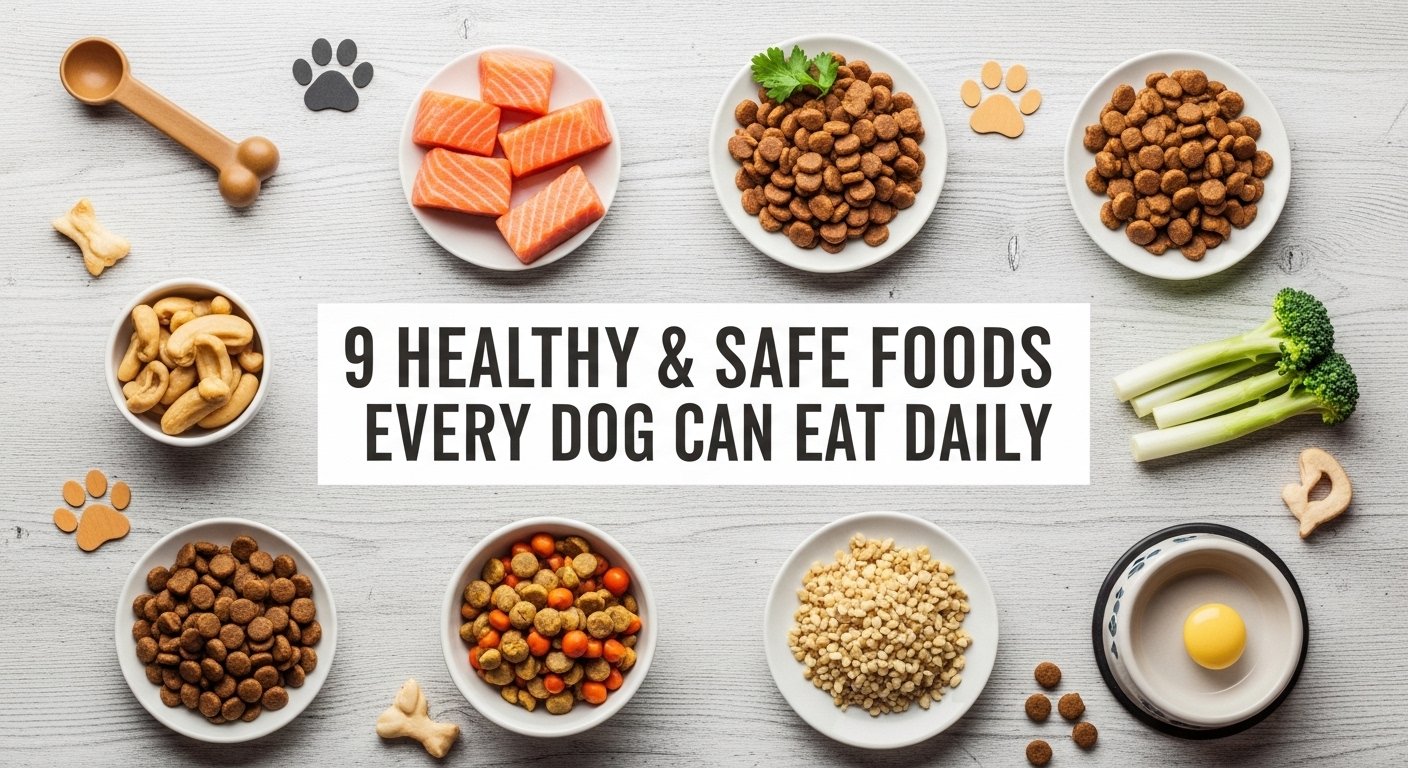
Feeding your dog properly is one of the most important responsibilities as a pet owner. When I first got my dog, I relied heavily on packaged food because it felt safe and convenient. But over time, I began to notice small issues—low energy some days, mild digestion problems, and a lack of variety in his diet.
That’s when I started researching and carefully introducing safe, natural foods alongside his regular meals. The results were noticeable—better digestion, improved coat health, and a happier, more active dog.
In this guide, I’ll walk you through 9 healthy and safe foods you can give your dog daily, supported by practical experience and aligned with modern canine nutrition recommendations.
Why Daily Nutrition Is Critical for Dogs
A dog’s diet directly impacts their overall health, behavior, and lifespan. A well-balanced daily diet helps:
- Maintain a healthy digestive system
- Support immune function
- Improve skin and coat condition
- Provide sustained energy levels
- Prevent obesity and nutritional deficiencies
While high-quality commercial dog food should form the foundation, adding safe whole foods in moderation can enhance nutritional diversity and improve overall wellbeing.
9 Healthy & Safe Foods You Can Give Dogs Daily
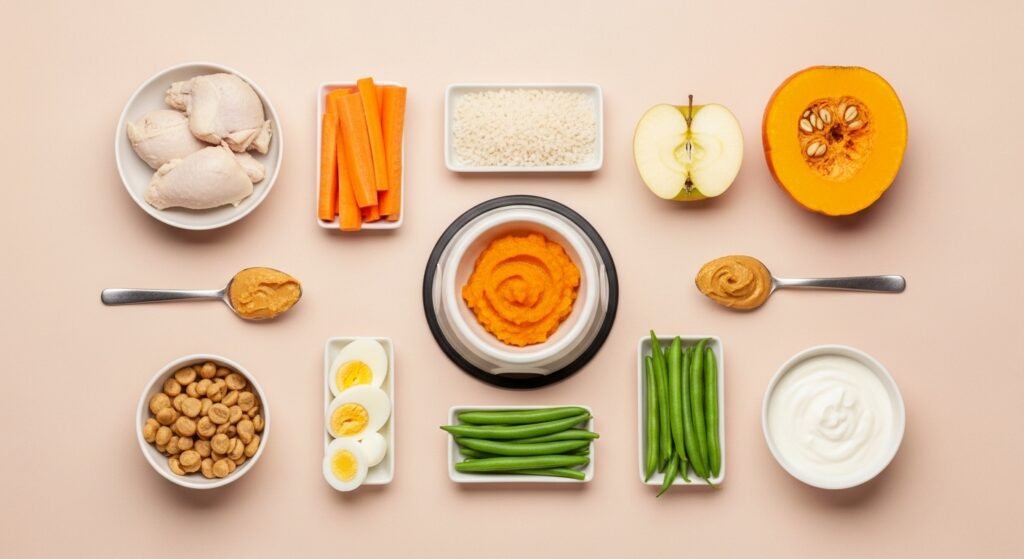
1. Boiled Chicken (Lean, Digestible Protein)
Boiled chicken is one of the safest and most effective protein sources for dogs. It is especially beneficial for dogs with sensitive stomachs.
Professional insight:
Lean protein supports muscle development and tissue repair while being easy on digestion.
Personal experience:
Whenever my dog experienced mild stomach issues, plain boiled chicken consistently helped stabilize his digestion.
Best practices:
- Serve plain, without salt, oil, or spices
- Remove bones completely
- Use as part of a balanced meal, not the sole diet
2. Rice (Gentle Energy Source)
Rice, particularly white rice, is widely recommended for dogs experiencing digestive discomfort.
Benefits:
- Easily digestible carbohydrates
- Helps firm stool
- Provides quick energy
From experience:
A simple chicken-and-rice combination worked effectively during recovery phases and remains a reliable option.
3. Carrots (Nutrient-Rich & Dental-Friendly)
Carrots are a highly nutritious, low-calorie snack suitable for daily feeding.
Nutritional value:
- Rich in beta-carotene (Vitamin A)
- Supports vision and immune health
Additional benefit:
Their natural crunch can help reduce plaque buildup on teeth.
4. Apples (Natural Fiber & Antioxidants)
Apples provide a refreshing and healthy addition to your dog’s diet.
Benefits:
- High in fiber and Vitamin C
- Supports digestion and immune function
Important note:
Always remove seeds and core, as they contain harmful compounds.
5. Pumpkin (Digestive Support Superfood)
Pumpkin is widely recognized as one of the best natural remedies for digestive health in dogs.
Why it works:
- High fiber content regulates bowel movements
- Supports both diarrhea and constipation
Personal observation:
Adding a small amount of pumpkin quickly improved my dog’s digestive consistency.
6. Eggs (Complete Protein Source)
Eggs are one of the most nutritionally complete foods you can offer your dog.
Benefits:
- High-quality protein
- Contains essential amino acids
- Supports skin and coat health
Guideline:
Always serve cooked eggs to avoid any risk of bacterial contamination.
7. Plain Yogurt (Probiotic Support)
Plain, unsweetened yogurt can benefit your dog’s gut health due to its probiotic content.
Advantages:
- Promotes healthy gut bacteria
- Improves digestion
- Supports immune system
Tip:
Introduce in small quantities to avoid lactose sensitivity.
8. Green Beans (Low-Calorie Nutrient Booster)
Green beans are an excellent option, especially for dogs that need weight management.
Benefits:
- Low in calories
- High in fiber
- Provides essential vitamins
They can be served cooked or raw, depending on your dog’s preference.
9. Peanut Butter (Occasional Nutrient-Dense Treat)
Peanut butter is highly appealing to dogs and can be used as a reward.
Benefits:
- Contains healthy fats and protein
- Useful for training and mental stimulation
Critical safety note:
Only use peanut butter that is free from xylitol, as it is toxic to dogs.
Foods You Should Avoid Feeding Daily
Even experienced pet owners can overlook harmful foods. Based on both research and personal caution, avoid:
- Chocolate
- Grapes and raisins
- Onions and garlic
- Processed or salty foods
- Artificial sweeteners
These foods can cause serious health complications, even in small amounts.
Building a Balanced Daily Diet (What Actually Works)
One of the biggest mistakes I made early on was changing my dog’s diet too quickly. This led to temporary digestive issues.
A balanced approach works best:
- 70–80% high-quality commercial dog food
- 20–30% safe natural foods
- Gradual introduction of new items
- Consistent feeding schedule
This structure ensures nutritional balance while allowing variety.
Supporting Overall Health Beyond Diet
Nutrition doesn’t work in isolation. It directly affects other aspects of your dog’s health, including sleep and energy levels.
👉 To understand this connection better, read:
Why Do Dogs Sleep So Much? | Science, Age, Breeds & Tips
This will help you identify what’s normal and how diet influences rest patterns.
Expert Recommendation
According to American Kennel Club, incorporating safe, whole foods into a dog’s diet—alongside balanced commercial meals—can significantly improve overall health, digestion, and longevity when done correctly.
Final Thoughts On What to Give Dogs Daily
Feeding your dog doesn’t need to be complicated, but it does require awareness and consistency. Once I shifted from a purely packaged diet to a more balanced approach with safe, natural foods, the improvements were clear—better digestion, higher energy, and a noticeably happier dog.
The key is not to overcomplicate things. Start simple, observe your dog’s response, and build a routine that works.
A healthy diet is not just about food—it’s about giving your dog a better quality of life