How Would a Cat Say Sorry?
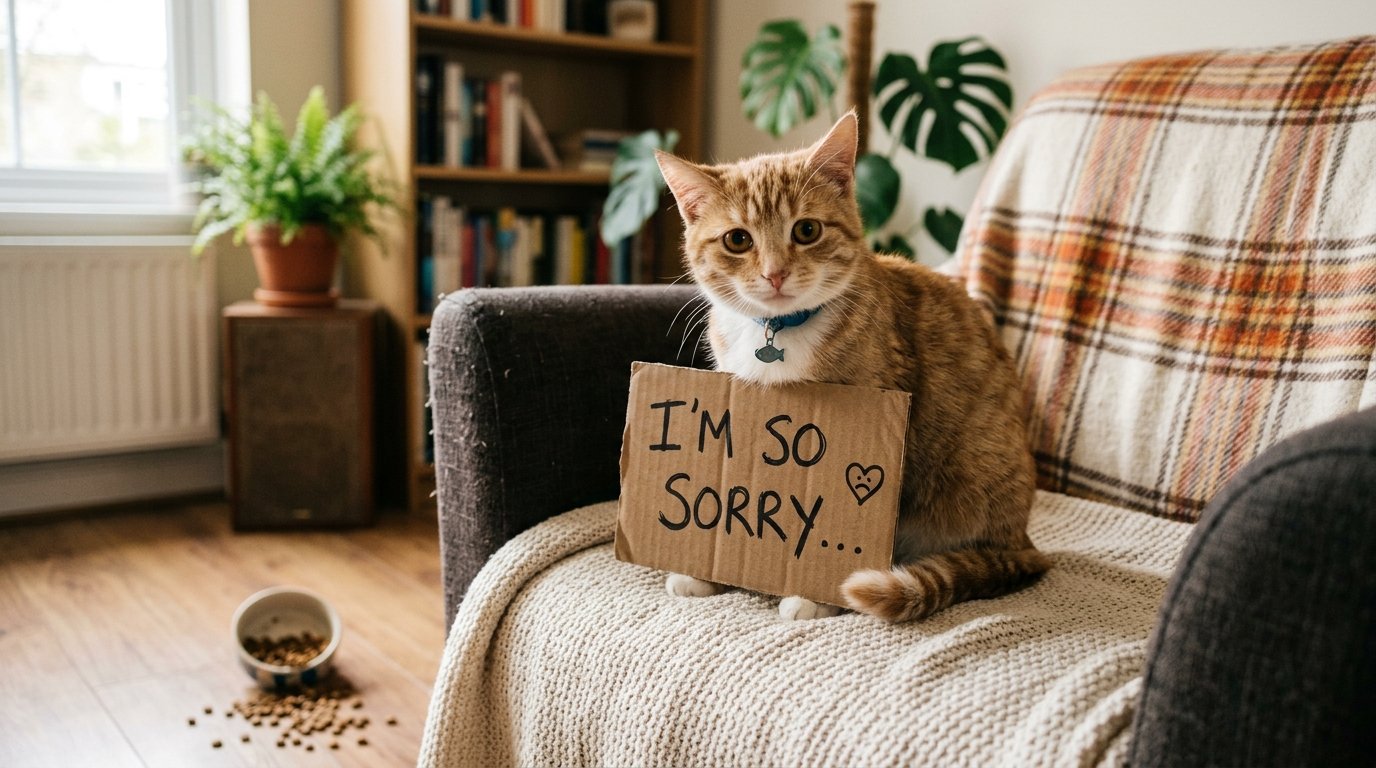
Cats may not apologize with words the way humans do, but they absolutely communicate emotions through behavior and body language. If your cat knocks something off the table, scratches you during play, or suddenly acts extra affectionate afterward, you may wonder: Does my cat actually feel sorry?
The answer is more complex than a simple yes or no.
Cats do not experience guilt exactly the same way humans do, but they are highly observant animals that react strongly to your emotions, tone, and routines. When a cat senses tension or realizes something has changed in your behavior, it may respond with calming gestures, affection, or attention-seeking behavior that feels very much like an apology.
From personal experience, I’ve noticed my own cat becomes unusually gentle after doing something chaotic—like knocking over a plant or scratching accidentally during playtime. She often follows me around, rubs against my legs, slow blinks repeatedly, or curls up nearby shortly afterward. Whether it’s true “guilt” or simply social bonding behavior, it definitely feels like her version of saying sorry.
Understanding these subtle feline signals can help strengthen your bond and improve communication with your cat.
Do Cats Actually Feel Guilty?
Before understanding how cats apologize, it’s important to understand how cats process emotions.
Cats are intelligent and emotionally aware animals, but they do not think exactly like humans. Most animal behavior experts believe cats do not experience moral guilt in the human sense. Instead, they respond to:
- Changes in your tone of voice
- Facial expressions
- Body language
- Routine disruptions
- Emotional tension
So when your cat appears “sorry,” they are often reacting to your emotional response rather than understanding that they committed a moral wrongdoing.
That said, cats are highly social in their own unique way. They seek comfort, safety, and connection with trusted humans. Their “apology behaviors” are often attempts to restore emotional balance and strengthen trust.
Common Ways Cats Say “Sorry”
Cats communicate primarily through body language and subtle actions. If your cat seems apologetic, they may display several calming or affectionate behaviors.
1. Slow Blinking at You
One of the clearest signs of feline trust and affection is the slow blink.
When cats slowly close and open their eyes while looking at you, they are showing:
- Relaxation
- Trust
- Emotional comfort
After a stressful interaction, some cats use slow blinking almost like a peace offering.
From experience, this is one of the first things my cat does after accidentally scratching me. She sits nearby and gives repeated slow blinks until the tension feels gone.
Many cat owners describe this as their cat’s version of saying:
“We’re okay, right?”
2. Rubbing Against You
Cats have scent glands around their face and body. When they rub against your legs, hands, or furniture, they leave behind familiar scent markers.
This behavior serves several purposes:
- Rebuilding social connection
- Creating familiarity
- Marking trusted people
After upsetting you, a cat may become extra affectionate and rub against you more frequently.
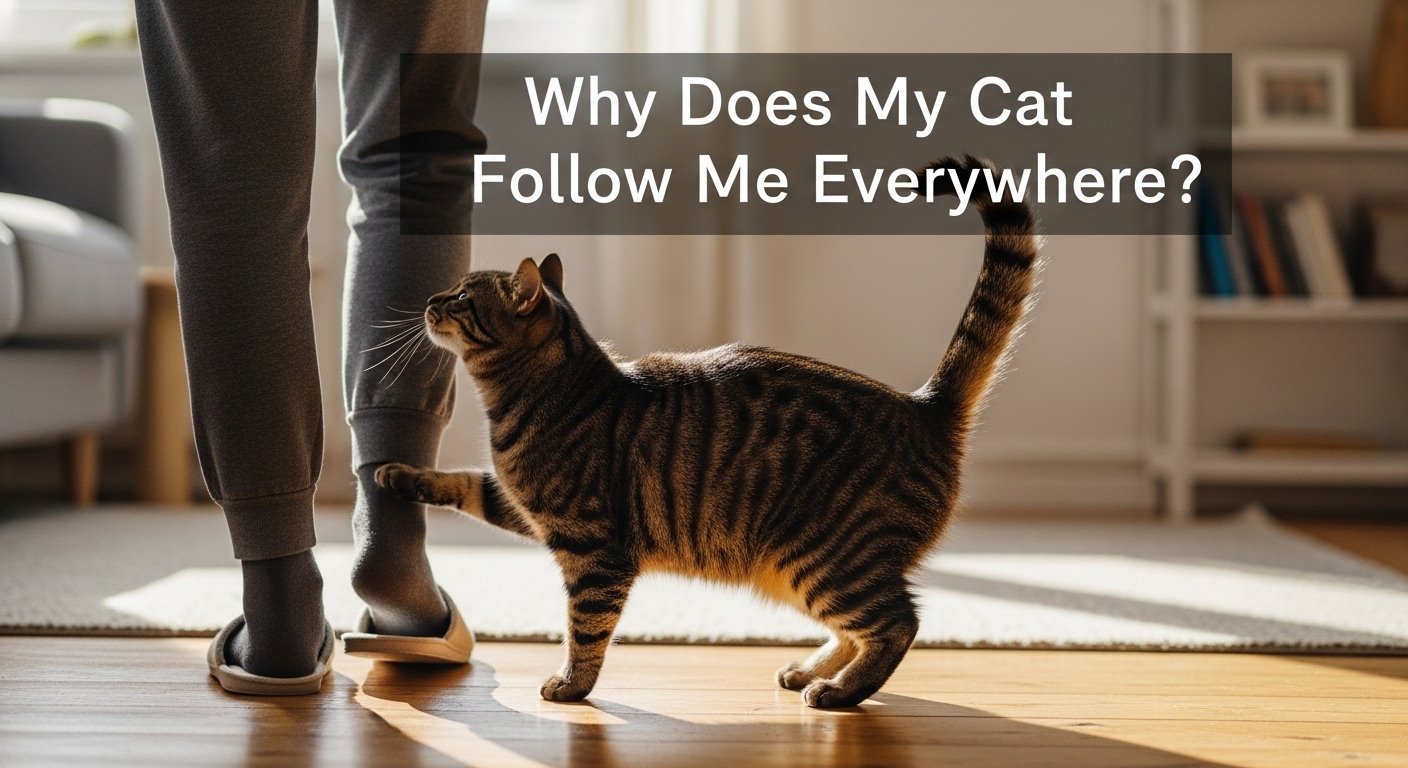
3. Following You Everywhere
Some cats become clingier after a stressful moment or conflict.
If your cat suddenly:
- Follows you room to room
- Sits unusually close
- Watches you constantly
…it may be trying to reconnect emotionally.
This behavior is deeply connected to attachment and bonding. In fact, if your cat constantly shadows you throughout the day, you may enjoy reading “Why Does My Cat Follow Me Everywhere?” because many emotionally attached cats use proximity as a form of comfort and reassurance.
4. Sleeping Near You
Cats feel most vulnerable while sleeping. Choosing to rest close to you is a major sign of trust.
After tension or conflict, some cats intentionally sleep nearby to:
- Restore security
- Show comfort
- Maintain social connection
This is especially common in affectionate indoor cats.
5. Bringing You “Gifts”
Not every cat does this, but some cats bring:
- Toys
- Socks
- Small objects
- Occasionally prey (for outdoor cats)
This behavior is instinctive but can also be interpreted as social bonding and caregiving.
To humans, it may feel like a strange apology gift.
6. Becoming Extra Gentle
Cats often adjust their behavior after noticing a negative reaction.
For example:
- Softer paw touches
- Gentler play
- Reduced biting
- Quiet behavior
This shows emotional awareness and adaptability.
7. Soft Meowing or Chirping
Some cats become vocal after conflict.
Gentle sounds may serve as:
- Attention-seeking
- Reassurance
- Emotional reconnection
Cats often use softer vocalizations with people they trust most.
Why Cats Sometimes Act “Guilty”
Many owners describe seeing a “guilty face” after their cat causes trouble.
Usually, what humans interpret as guilt is actually:
- Fear of your reaction
- Sensitivity to tone
- Defensive body language
A cat that lowers its ears, crouches, or avoids eye contact may simply be responding to tension—not admitting wrongdoing.
Important: Never Punish Cats Harshly
Cats do not respond well to punishment.
Yelling or physical punishment can:
- Damage trust
- Increase anxiety
- Cause fear-based aggression
Instead, focus on:
- Positive reinforcement
- Redirecting behavior
- Creating safe environments
According to the American Society for the Prevention of Cruelty to Animals, positive reinforcement is one of the healthiest ways to shape feline behavior.
Understanding Feline Emotional Intelligence
Cats are far more emotionally intelligent than many people assume.
They can recognize:
- Human routines
- Emotional energy
- Voice changes
- Facial expressions
Research suggests cats form strong emotional attachments with their owners, even though they express affection differently than dogs.
This emotional awareness explains why many cats behave differently after conflict or tension.
How to Respond When Your Cat Seems Sorry
If your cat displays affectionate “apology” behaviors, the best response is calm reassurance.
You can:
- Speak softly
- Offer gentle petting
- Slow blink back
- Maintain routine consistency
This helps reinforce trust and emotional safety.
My Personal Experience With Cat “Apologies”
One thing I’ve personally noticed is that cats often become more affectionate after accidents. My cat once knocked a glass off the table during zoomies and startled both of us. For the next hour, she stayed unusually close, rubbed against my legs constantly, and eventually curled up beside me while purring.
What stood out most wasn’t the accident—it was how clearly she reacted to my emotional response afterward.
Moments like these remind me that cats may not say sorry in human language, but they absolutely communicate emotional awareness in their own subtle way.
Signs Your Cat Trusts You Deeply
Cats that apologize through affection often already have strong bonds with their humans.
Signs of deep trust include:
- Slow blinking
- Belly exposure
- Following you
- Sleeping nearby
- Kneading
- Headbutting
These behaviors all reflect emotional security.
Frequently Asked Questions (FAQs)
Do cats understand when they hurt you?
Cats may not understand morality like humans, but they recognize emotional reactions and tension.
How do cats apologize to humans?
Cats often apologize through affection, slow blinking, rubbing, following you, or staying close.
Do cats feel guilt?
Cats likely do not experience guilt exactly like humans, but they do respond emotionally to your behavior and tone.
Why does my cat become affectionate after doing something wrong?
Your cat may be trying to restore comfort, connection, and emotional balance.
Is my cat manipulating me?
Usually no—most “apology behaviors” are natural bonding and reassurance behaviors.
Why does my cat stare at me after scratching me accidentally?
Your cat may be checking your reaction and trying to assess emotional tension.
Should I ignore my cat after bad behavior?
Avoid harsh punishment. Calm redirection and consistency work much better.
Final Thoughts
If you’ve ever wondered “how would a cat say sorry,” the answer lies in understanding feline body language and emotional behavior. Cats may not apologize with words, but they often use affection, closeness, slow blinking, and gentle behavior to rebuild trust after tension or accidents.
The more time you spend observing your cat, the more you’ll realize that many of their smallest actions carry emotional meaning. Their version of “sorry” may be quiet and subtle—but for cat owners, it can feel incredibly genuine.