
If you’ve ever noticed your dog spending most of the day sleeping, you might worry: “Is my dog lazy, or is something wrong?” The truth is, dogs naturally sleep far more than humans, and this is completely normal. Sleep is essential for a dog’s physical health, mental function, and emotional balance.
Veterinary experts, including the American Kennel Club and the American Veterinary Medical Association, confirm that frequent sleep in dogs is healthy. However, the amount of sleep depends on age, breed, activity level, and overall health. Understanding why do dogs sleep so much helps pet owners care for them better and recognize signs of potential health problems.
Why Do Dogs Sleep So Much?
Dogs naturally sleep much more than humans, often between 12 and 20 hours a day depending on age, breed, and activity level. This frequent sleep is not a sign of laziness; it is essential for their physical health, brain function, and emotional balance. From evolutionary instincts inherited from wild ancestors to differences in metabolism, growth, and cognitive development, sleep helps dogs conserve energy, process information, and stay alert when needed. Understanding why do dogs sleep so much allows pet owners to recognize normal behavior and identify any unusual changes that may signal health issues.
How Much Do Dogs Sleep Each Day?
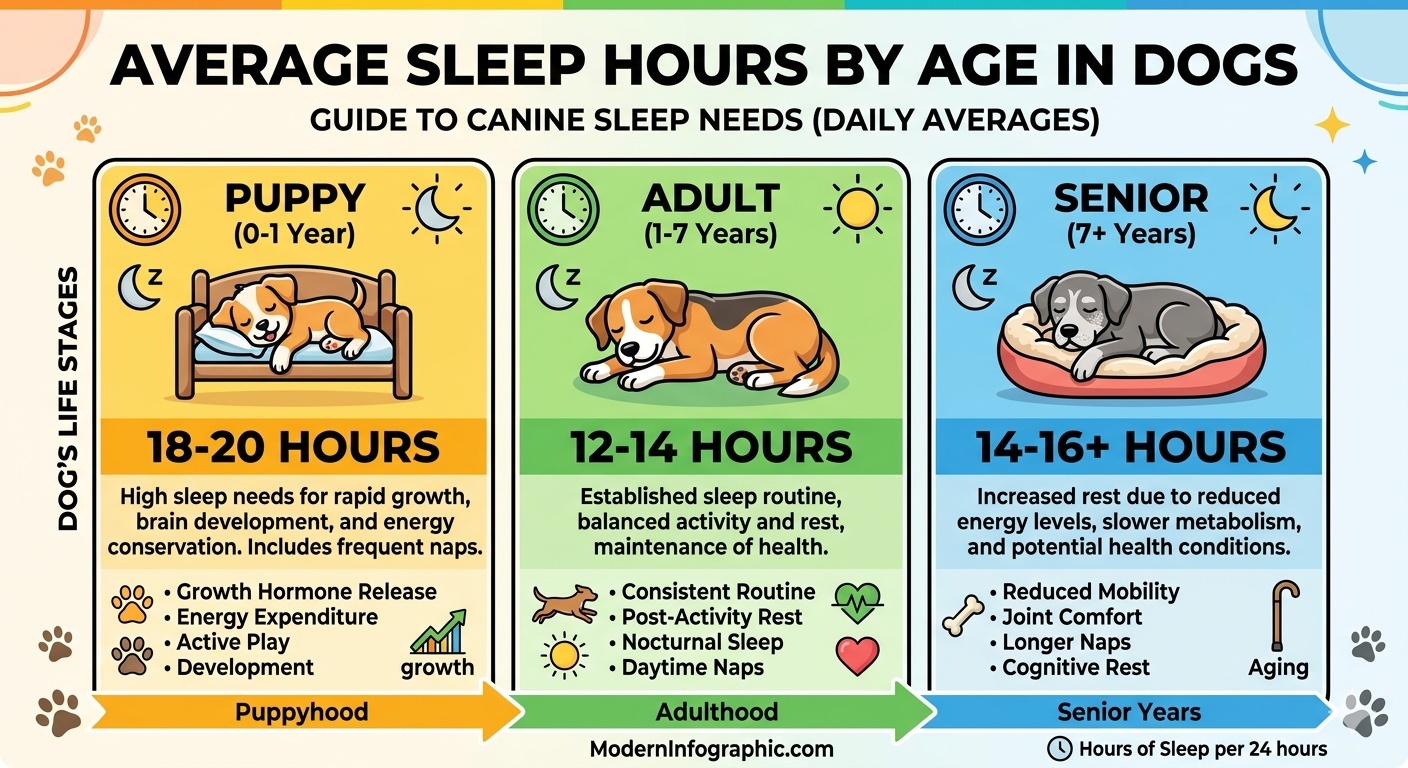
Dogs’ sleep patterns differ significantly from humans. On average:
- Puppies: 18–20 hours
- Adult dogs: 12–14 hours
- Senior dogs: 14–18 hours
Dogs are biologically wired for short bursts of activity, not continuous energy. Their sleep is often broken into multiple naps throughout the day, which allows them to rest, recharge, and remain alert when needed.
Evolutionary Instincts Behind Dog Sleep
Dogs are descendants of wild canines like wolves. In the wild, conserving energy between hunting, exploring, and surviving harsh environments was vital for survival. Even though domestic dogs no longer hunt, their bodies are still hardwired to rest frequently.
Rest helps conserve energy for sudden bursts of activity, keeps dogs alert to their surroundings, and maintains overall health. Carnivorous mammals, including dogs, naturally have longer sleep cycles because they expend energy in short bursts rather than continuously.
Differences in Sleep Quality and Structure
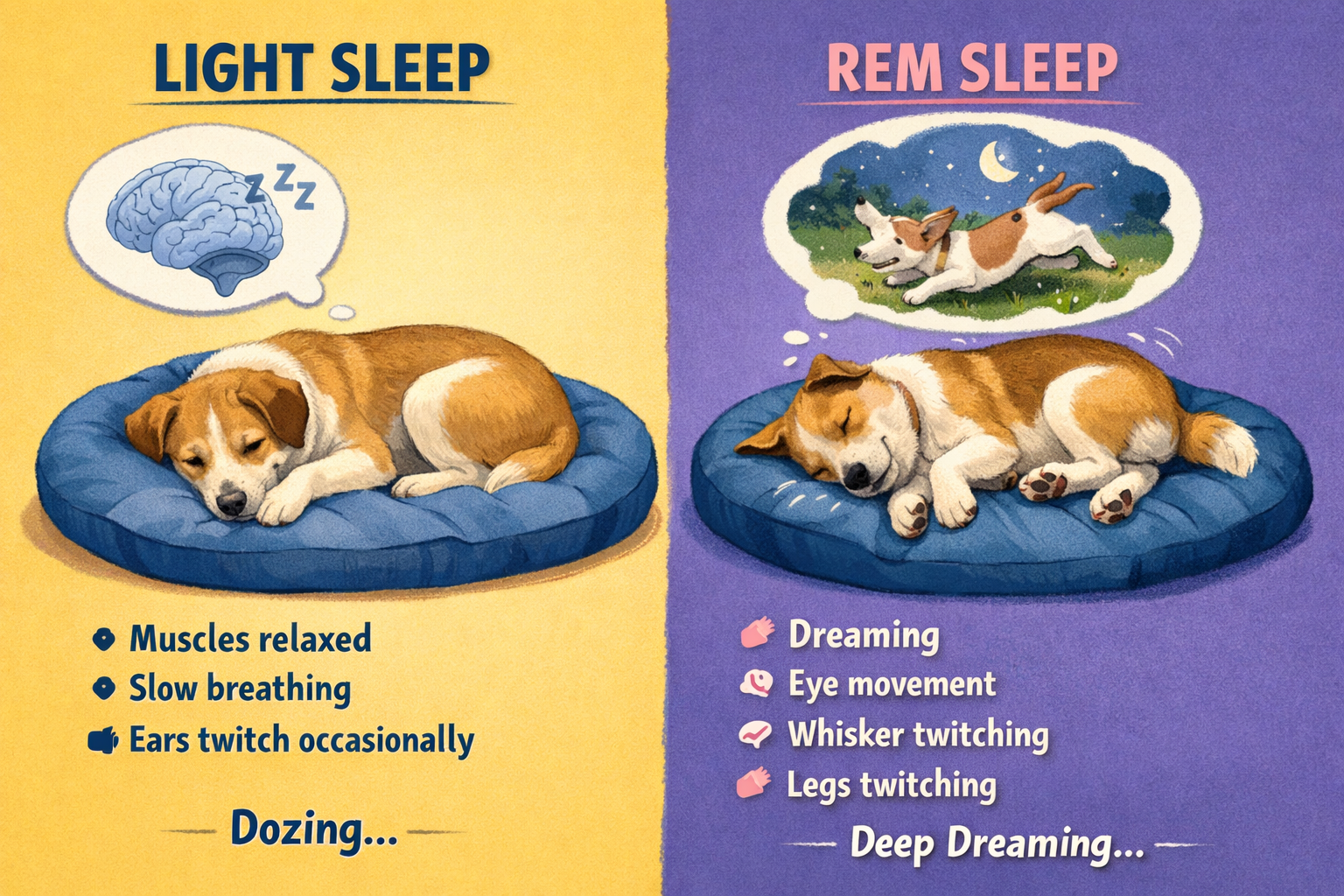
Unlike humans, dogs experience shorter REM cycles and spend more time in light sleep. This allows them to wake up easily and remain aware of their surroundings.
Dogs spend only 10–12% of sleep in REM, compared to 20–25% in humans. Light sleep helps dogs process information, store memories, and stay alert. Frequent naps throughout the day allow them to accumulate enough rest for healthy functioning.
Energy Needs and Metabolism
Dogs’ metabolism is designed for short, high-energy activity followed by rest. For example, a dog may sprint around the yard for a few minutes and then rest for hours.
Sleep restores muscle energy, brain function, and hormonal balance. Without sufficient rest, dogs can become irritable, stressed, or weak.
How Age Affects Dog Sleep
Sleep patterns change as dogs grow:
- Puppies: Sleep 18–20 hours daily. Sleep is crucial for brain development, growth, and learning new skills.
- Adult dogs: Need 12–14 hours of sleep to maintain energy and overall health.
- Senior dogs: Often sleep 14–18 hours due to slower metabolism, reduced energy, or joint issues.
Understanding these age-related changes helps owners provide the right environment and care for their dogs.
Breed Differences in Sleep Patterns
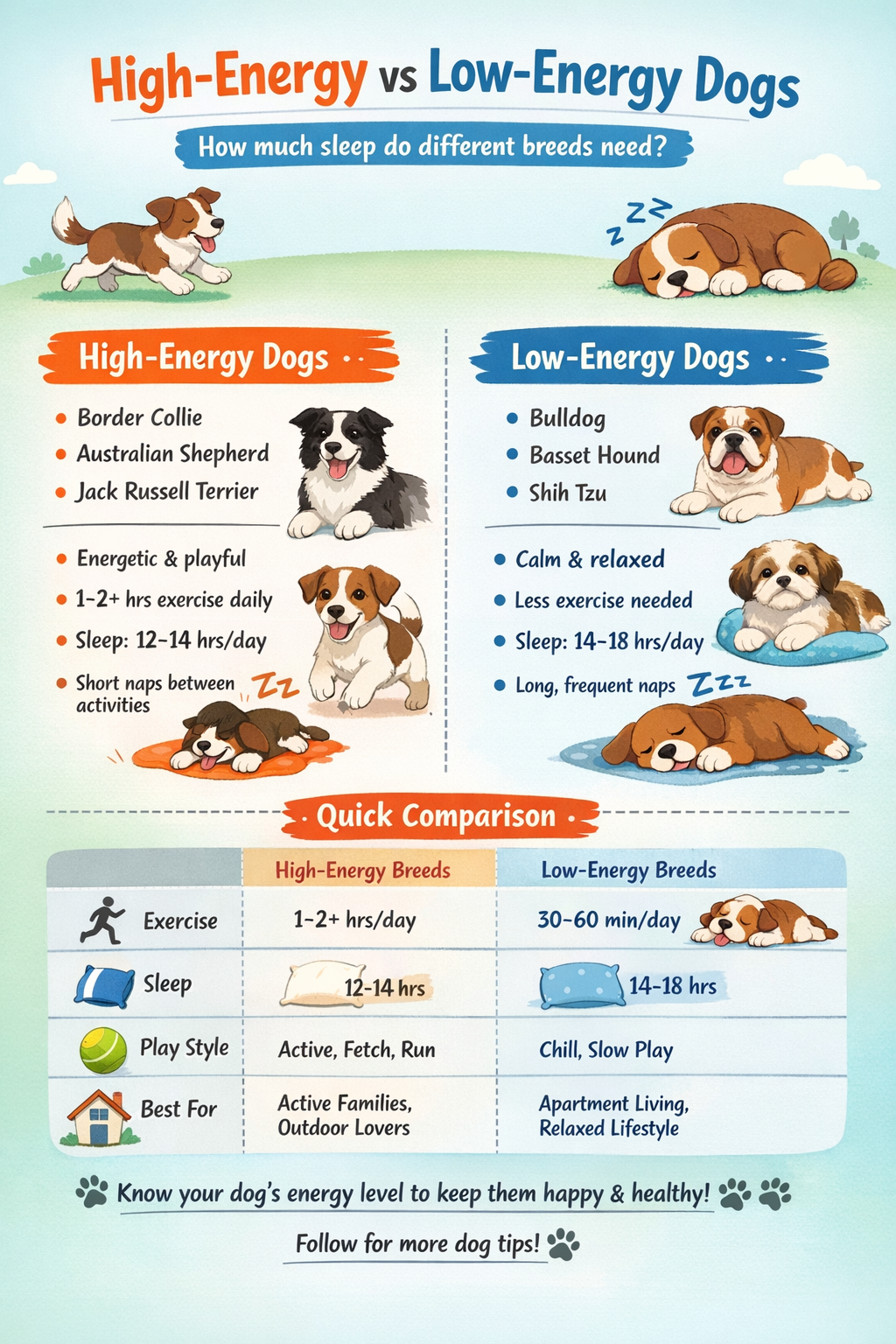
Different breeds have different energy levels, which affects how much they sleep:
- High-energy breeds (like Border Collies) sleep less but require more mental and physical stimulation.
- Large breeds (like Mastiffs) sleep more due to size and energy needs.
- Working breeds sleep based on activity levels; dogs that exercise more may have more structured sleep schedules.
Boredom and Lack of Stimulation
Sometimes, excessive sleep isn’t about biology—it’s about boredom. Dogs that don’t get enough exercise or mental stimulation may sleep simply to pass the time. Providing enrichment like puzzle toys, training sessions, or interactive play keeps dogs active and reduces unnecessary napping.
Environmental Factors
A dog’s surroundings influence sleep. Dogs sleep more in quiet, calm environments and stay awake longer in busy households. Providing a cozy bed in a quiet area encourages restful sleep without overstimulation.
Health-Related Causes of Excessive Sleep
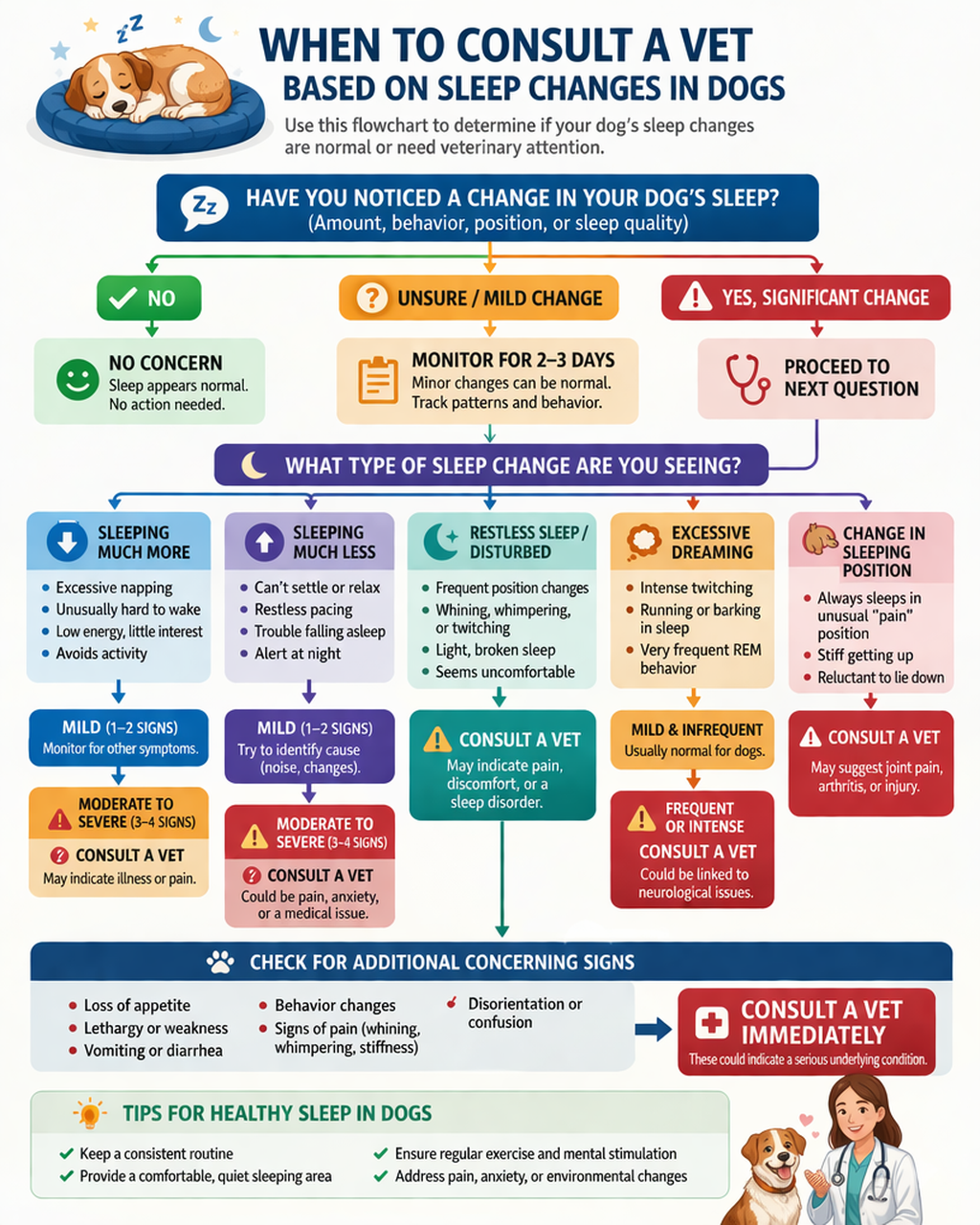
While long naps are normal, sudden changes in sleep behavior can indicate health issues. Signs to watch for include extreme lethargy, loss of appetite, difficulty waking up, or lack of interest in usual activities.
Potential causes include infections, pain, hypothyroidism, or anxiety. Consult a veterinarian if your dog’s sleeping habits change suddenly.
The Role of Sleep in Brain Function
Sleep is crucial for brain development and cognitive health. During rest, dogs process experiences, store memories, and learn new behaviors. Puppies often sleep after training or play to consolidate new information.
Tips to Keep Your Dog Healthy and Active
- Provide daily exercise to keep energy levels balanced.
- Offer mental stimulation with puzzle toys, training, and interactive games.
- Ensure a quiet, comfortable sleeping space for proper rest.
- Maintain a consistent routine for meals, play, and sleep.
- Monitor for changes in sleep patterns as they may indicate health issues.
FAQs About Dog Sleep
Q1: Is it normal for dogs to sleep all day?
Yes. Depending on their age and breed, dogs naturally sleep 12–20 hours per day. Puppies and senior dogs sleep the most.
Q2: Why do puppies sleep so much after playing?
Puppies’ brains are developing rapidly, and sleep helps consolidate memories, process new experiences, and release growth hormones.
Q3: How can I tell if my dog is sleeping too much due to health problems?
Watch for sudden lethargy, loss of appetite, difficulty waking, or disinterest in usual activities. These signs require a vet visit.
Q4: Do all dog breeds sleep the same amount?
No. High-energy breeds sleep less and require more activity, while large or low-energy breeds sleep more.
Q5: Can boredom cause a dog to sleep too much?
Yes. Dogs that lack exercise or mental stimulation may nap simply to pass time. Keeping them engaged reduces unnecessary sleep.
Final Thoughts
Dogs sleep a lot because it is part of their natural biology. From evolutionary instincts and metabolic needs to age, breed differences, and mental stimulation, sleep is essential for their health and happiness.
Most dogs that sleep frequently are healthy and content. Recognizing normal rest versus unusual lethargy ensures responsible care and a happy, well-rested pet.